China Top Ndfeb Magnet Properties Explained for Your Industry Needs?
Understanding "Ndfeb Magnet Properties" is crucial for various industries. Neodymium-iron-boron (NdFeB) magnets, known for their strength, are essential in electric motors, generators, and magnetic assemblies. According to a recent report by MarketsandMarkets, the global NdFeB market is projected to reach $28.3 billion by 2026, growing at a CAGR of 8.5%. This highlights the increasing reliance on high-performance magnets.
Dr. Emily Chen, a leading expert in magnet technology, states, “The unique properties of Ndfeb magnets significantly enhance the efficiency of industrial applications.” Her insights emphasize the importance of understanding these properties, including coercivity, remanence, and energy product. Each of these factors plays a vital role in their performance across various applications.
Moreover, while Ndfeb magnets offer remarkable benefits, challenges remain. Supply chain constraints, rare earth material availability, and environmental concerns need addressing. Developing a comprehensive understanding of Ndfeb Magnet Properties is essential. It allows industries to navigate these challenges and leverage the full potential of these powerful magnets.
Overview of NdFeB Magnets and Their Composition
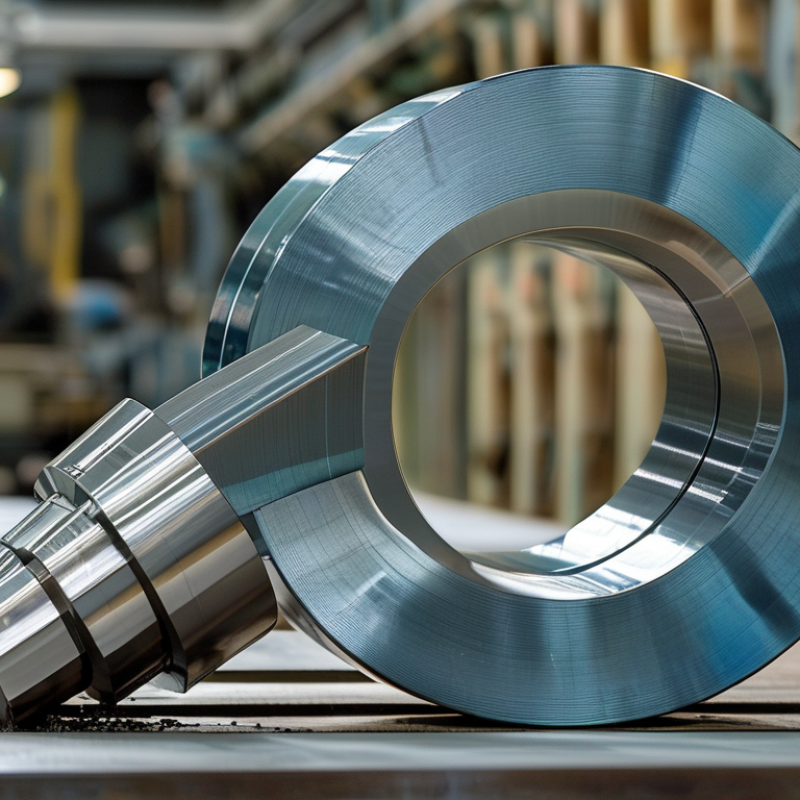
NdFeB magnets, made from neodymium, iron, and boron, exhibit exceptional magnetic properties. They are known for a high magnetic energy product, which significantly enhances their performance in various applications. Research indicates that these magnets can achieve energy products upwards of 50 MGOe, making them suitable for electric motors and generators.
The composition of NdFeB magnets typically includes around 30% neodymium, 64% iron, and 1% boron, along with trace elements for optimization. The grain boundary diffusion process is crucial in improving magnetic properties. Data suggest that magnets treated with this process show increased resistance to demagnetization. This feature is essential in high-temperature environments, where maintaining magnetic strength is vital.
Despite their advantages, NdFeB magnets face challenges like susceptibility to corrosion. This limitation necessitates protective coatings to prolong their lifespan. Understanding these properties and challenges is vital for industries reliant on strong permanent magnets. Companies must balance performance with durability for optimal applications.
NdFeB Magnet Properties for Industrial Applications
This bar chart illustrates the various properties of NdFeB magnets commonly used in industrial applications. The properties highlighted include Magnetic Energy Product, Coercivity, and Maximum Working Temperature.
Key Properties of NdFeB Magnets for Industrial Applications
NdFeB magnets, renowned for their exceptional strength, play a crucial role in various industrial applications. These magnets are primarily composed of neodymium, iron, and boron. Their high magnetic energy product allows them to perform at significantly higher efficiency than other magnetic materials. This makes them ideal for motors, generators, and various electronic devices.
In terms of properties, NdFeB magnets exhibit remarkable resistance to demagnetization. However, they are sensitive to high temperatures, which can diminish their performance. This requires careful consideration in design and implementation. In terms of size, many industries favor small but powerful magnets. Despite their compactness, they can generate strong magnetic fields. Nevertheless, the brittleness of NdFeB magnets poses a challenge. They can break or chip easily under stress, necessitating protective casings in many applications.
Industries must weigh these properties when selecting NdFeB magnets for their specific needs. An understanding of magnetic forces, temperature tolerances, and physical robustness is essential. Real-world applications often reveal unforeseen issues, emphasizing the need for ongoing evaluation and improvement. This approach ensures maximum effectiveness in their use across various sectors.
Applications of NdFeB Magnets in Various Industries
NdFeB magnets, known for their exceptional strength, have a broad range of applications across many industries. In the automotive sector, they enhance the performance of electric motors and generators. These magnets are crucial for electric vehicles, where weight reduction and energy efficiency determine success.
In consumer electronics, NdFeB magnets are key components in speakers and microphones. Their ability to produce strong magnetic fields allows for better sound quality. This technology also benefits headphones and mobile devices, making them more compact and efficient. Design teams often struggle with size constraints, and innovative use of these magnets can help.
Tips: Consider the magnetic field strength when selecting NdFeB magnets for your application. Higher strength can lead to better performance but may also require more careful handling. Additionally, be aware of the magnets' susceptibility to corrosion. Using protective coatings can enhance their longevity, especially in harsh environments.
China Top Ndfeb Magnet Properties Explained for Your Industry Needs
| Property |
Value |
Applications |
| Magnetic Strength |
High (up to 1.4 T) |
Electric Motors |
| Operating Temperature |
Up to 80°C |
Generators |
| Corrosion Resistance |
Medium (requires coating) |
Automotive Sensors |
| Density |
7.5 g/cm³ |
Medical Equipment |
| Cost Effectiveness |
Economical for High Volume |
Consumer Electronics |
Factors Influencing the Performance of NdFeB Magnets
NdFeB magnets, or neodymium magnets, have become crucial due to their strong magnetic properties. Several factors influence their performance, such as composition, temperature, and manufacturing methods. The optimal ratio of neodymium to iron and boron is critical. Studies show that a higher neodymium content often increases magnet strength.
Temperature stability is another vital factor. NdFeB magnets can lose their magnetism at elevated temperatures. For example, magnets should ideally operate below 80°C for optimal performance. Some industrial applications may require specific temperature-rated magnets, highlighting the need for careful selection based on operational conditions.
Tip: When choosing NdFeB magnets, always consult manufacturers about thermal specifications. Misjudgments here could lead to failure.
Additionally, the production process influences the final properties. High-quality magnets require advanced techniques, like sintering and proper heat treatment. Variations during these processes can lead to inconsistencies. Having robust quality control measures is essential to ensure reliability.
Tip: Seek magnets that undergo rigorous testing to guarantee consistency in performance. This can save time and costs in the long run.
Trends and Innovations in NdFeB Magnet Technology
The advancements in NdFeB magnet technology are shaping various industries. These magnets now offer improved strength and energy efficiency. Manufacturers constantly innovate to meet the growing demand. New production methods reduce waste and enhance performance. Industry experts believe that understanding these trends is crucial for businesses.
Tips: Choose suppliers who have a strong track record. Their expertise can guide you in selecting the right magnet for your needs.
Recent trends include miniaturization and the use of alternative materials. Miniaturized magnets are becoming essential in electronics. They help in creating lighter and more compact devices. Alternative materials are being researched to reduce costs. This shift may lead to more sustainable practices in production.
Tips: Stay updated on research developments. They can provide insights into future applications and technologies.
However, challenges exist, such as supply chain issues and raw material costs. Efficiency in production is vital to address these problems. Companies should invest in technology that improves reliability. This focus can lead to long-term benefits in your industry.

 High Quality
 High Performance
 Technology Support