The Best 7 Rare Earth Magnets for Your Projects in 2026?
In 2026, the demand for Rare Earth Magnets continues to soar. Industry expert Dr. Emily Carter notes, "These magnets are revolutionizing various applications with their unmatched strength." Her insights spotlight the significance of Rare Earth Magnets in technology and engineering fields.
These magnets, made from alloys of rare earth elements, offer incredible performance. They are crucial in electric motors, wind turbines, and even consumer electronics. The essential characteristics like high resistance to demagnetization make them popular among engineers. As projects become more ambitious, the need for reliable magnets grows.
Nonetheless, not all Rare Earth Magnets are created equal. Factors such as grade, size, and coating influence their effectiveness. Choosing the right one for a project can be challenging. A careful analysis of these elements is crucial for optimal results.
Understanding Rare Earth Magnets: Definition and Types
Rare earth magnets are powerful magnetic materials composed mainly of elements like neodymium, dysprosium, and praseodymium. These elements allow the magnets to display extraordinary strength compared to traditional magnets. Available in various shapes, such as discs, blocks, and rings, they serve diverse applications across industries, from electronics to renewable energy.
The most common types of rare earth magnets include neodymium-iron-boron (NdFeB) magnets and samarium-cobalt (SmCo) magnets. NdFeB magnets are known for their exceptional strength. They often require protective coatings to prevent corrosion. SmCo magnets, while less powerful, resist heat better. Choosing the right type depends on your project’s specific needs. It’s important to consider factors like size, environment, and intended application.
When buying rare earth magnets, clarity in purpose is essential. Many users overlook the required strength and durability. It’s wise to assess your project requirements thoroughly. Some might find certain magnetic strengths excessive for their needs. This introspection can lead to better performance and cost efficiency. Experimenting with different types can yield surprising results but requires careful consideration.
The Importance of Rare Earth Magnets in Various Applications
Rare earth magnets play an essential role in various applications. Their strength and durability make them highly sought after in industries like electronics, automotive, and renewable energy. These magnets are made from alloys that include neodymium, samarium, and other rare earth materials, which enhance their magnetic properties. Many engineers and inventors value these magnets when designing innovative solutions.
In the automotive sector, rare earth magnets are crucial for electric motors and sensors. They contribute to better efficiency and performance. In renewable energy, they are integral for wind turbines and electric generators, maximizing energy output. However, sourcing these materials can be a challenge. Environmental concerns arise due to mining processes, leading to a push for sustainable alternatives.
Many projects rely heavily on the magnetic power of these materials. Yet, engineers sometimes face difficulties in selecting the right type or size. Misjudgment can lead to project failures. Alongside a strong focus on magnetic properties, integrating eco-friendly practices is vital. Balancing performance with sustainability will shape advancements in the future.
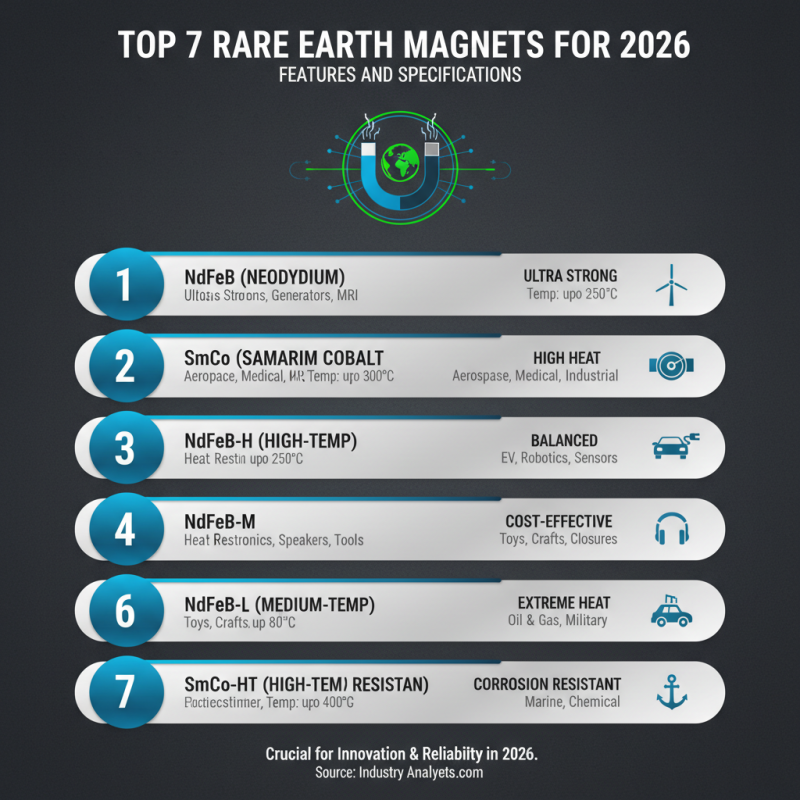
Top 7 Rare Earth Magnets for 2026: Features and Specifications
Rare earth magnets are crucial in various projects, especially in 2026. These magnets are made from alloys of rare earth elements. They provide exceptional strength and reliability. When selecting the best rare earth magnets, consider their features and specifications.
The best rare earth magnets come with various shapes and sizes. Some are disc-shaped, while others are rectangular. Each shape serves different purposes. For instance, disc magnets are often used in motors. Their high strength-to-size ratio is impressive. Meanwhile, rectangular magnets suit applications in holding heavy items.
Magnet grade is another critical aspect. Higher grades indicate stronger magnetic fields. These grades typically range from N35 to N52. N52 magnets are the strongest available. However, they can be more brittle and require careful handling. Projects that require durability should consider magnet coating options. Coatings help protect the magnets from corrosion, ensuring longevity.
It's worth noting that using rare earth magnets can pose safety risks. They can snap together unexpectedly, causing injuries. Proper storage and handling are essential to prevent accidents. Always consult reliable resources or experts when choosing magnets for specific projects.
Comparative Analysis: Cost-Effectiveness of Selected Rare Earth Magnets
When evaluating rare earth magnets for various projects, cost-effectiveness is crucial. These magnets, primarily neodymium and samarium-cobalt, offer superior strength. According to a recent industry report, neodymium magnets provide a holding force that is ten times stronger than standard ferrite magnets. However, this strength comes at a price. Neodymium magnets can be more costly, with prices estimated around $30 per kilogram compared to about $5 for ferrite options.
It’s essential to consider the longevity and performance efficiency of rare earth magnets. While initial costs may be higher, they can lead to savings in the long run. For example, a durable neodymium magnet might support a project for years without replacement, reducing maintenance costs significantly. An analysis by the Global Magnet Alliance highlighted that using these magnets could pay off over their lifespan, despite higher upfront costs.
Furthermore, the manufacturing process for these magnets is resource-intensive. The extraction of rare materials affects pricing fluctuations. The same analysis found that supply chain disruptions could cause abrupt price increases, underscoring the need for careful selection. These factors emphasize the importance of evaluating both immediate and future costs when selecting the right rare earth magnet for your needs.
The Cost-Effectiveness of Popular Rare Earth Magnets in 2026
Safety and Handling Tips for Using Rare Earth Magnets in Projects
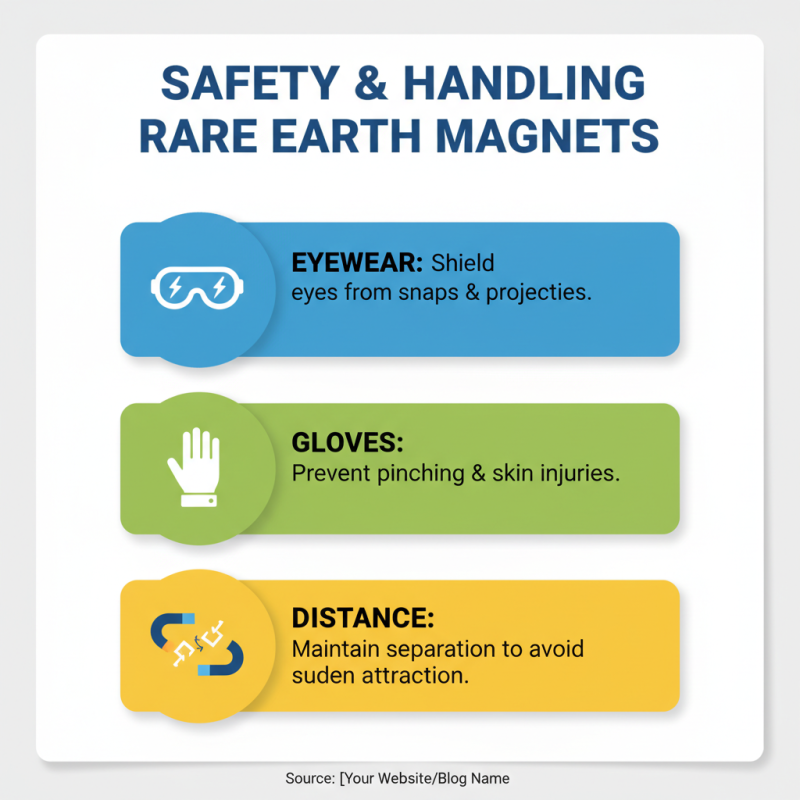
When working with rare earth magnets, safety is critical. These magnets have strong magnetic fields that can cause injury if not handled properly. Always wear protective eyewear when working with them. This helps shield your eyes from any sudden snap or projectiles. Additionally, consider using gloves to prevent pinching or skin injuries.
It's also essential to store magnets safely. Keep them in a dry place, away from electronic devices. Strong magnets can erase data on credit cards or damage monitors. When working on projects, avoid placing magnets near small metal objects. These can be easily attracted and may cause accidents.
In handling magnets, mindfulness is crucial. The force can be surprising. It’s easy to underestimate how quickly magnets can snap together. Slow down and assess your workspace. This helps prevent undue stress or hasty actions. Reassess your safety measures frequently. Rare earth magnets are powerful tools, but they require care and respect to use safely.

 High Quality
 High Performance
 Technology Support