How to Use Magnetic Separation for Efficient Material Recycling?
Magnetic Separation is a vital technology in the recycling industry. According to the Global Recycling Foundation, recycling rates in developed countries hover around 30-35%. There's significant room for improvement. Magnetic Separation can enhance material recovery rates, leading to a more sustainable future.
Experts like Dr. Alice Bennett, a noted authority in waste management, emphasize its importance. She states, “Magnetic Separation is pivotal in reclaiming valuable materials from waste streams.” This technique efficiently separates ferrous and non-ferrous metals from various waste, making recycling more effective.
Yet, challenges remain. Not all materials are suitable for this process. Some waste streams contain a mix of substances that complicate separation efforts. Industry data reveals that only 20% of scrap metal is effectively recovered through traditional methods. Addressing these gaps is essential for improving overall recycling rates. Embracing advanced Magnetic Separation methods can drive progress in our recycling initiatives, fostering a healthier planet.
Understanding the Basics of Magnetic Separation in Recycling Processes
Magnetic separation is a key technique in material recycling. It efficiently separates ferrous and non-ferrous metals from waste streams. This method plays a crucial role in enhancing recycling processes, making them more effective. According to a report from the Recycling Industries Association, magnetic separation can improve metal recovery rates by up to 90%.
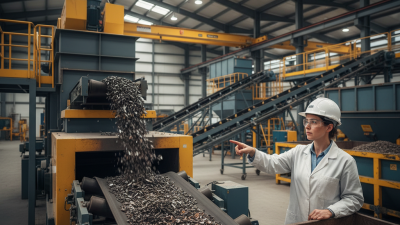
Understanding the basics of this technique reveals its significance. Magnetic separators use magnets to pull metals from other materials. The process requires minimal energy, contributing to reduced operational costs. In practice, the waste is fed into a conveyor belt system, where powerful magnets extract metallic components. This allows for cleaner separation and preparation for further processing. However, not all metal types can be effectively separated, which raises concerns about the completeness of the recycling process.
Despite its advancements, magnetic separation has limitations. Smaller metal pieces often escape detection. Additionally, mixed material streams can complicate separation efficiency. A study by the International Journal of Recycling explains that varying metal grades can impact the overall profitability of recycling operations. Thus, while magnetic separation is a vital tool, ongoing research and technology improvements are necessary to maximize its effectiveness.
Types of Magnetic Separators Used in Material Recycling
Magnetic separation is vital for effective recycling. Various types of magnetic separators serve different purposes in this domain. These separators help reclaim valuable materials and reduce landfill waste. According to industry reports, up to 90% of ferrous metals can be removed from waste streams using magnetic methods.
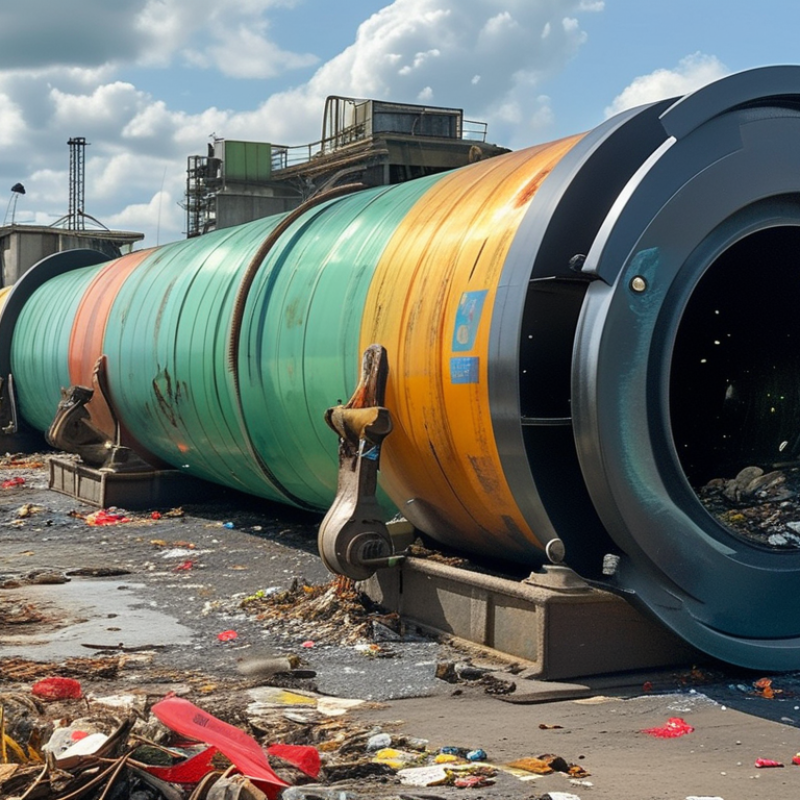
There are several types of magnetic separators used in recycling. Heavy-duty magnetic drum separators effectively segregate metals from bulk materials. They capture ferrous contaminants as the material passes over a rotating drum. Overband magnetic separators are also popular. They can remove iron particles from non-magnetic materials. This type harnesses strong magnetic forces to improve material purity.
Another option is the magnetic separator for fine materials. These separators use high-intensity magnets to attract smaller metal particles. This technology is becoming more critical as recycling operations strive for higher efficiencies. Reports indicate that companies using advanced magnetic technology can enhance recovery rates significantly. However, ensuring proper maintenance and calibration remains a challenge for many facilities. The effectiveness of magnetic separation can diminish if the equipment is not regularly inspected. Thus, continuous assessment and problem-solving are essential for optimal performance.
Step-by-Step Guide to Implementing Magnetic Separation Techniques
Magnetic separation is a crucial technique for recycling materials efficiently. It plays a significant role in various industries, including scrap metal recovery and waste management. According to recent data, around 20% of recycled materials are lost due to ineffective separation processes. Implementing magnetic separation can significantly reduce these losses and increase material recovery rates.
To get started, first assess your material types. Some materials have magnetic properties, while others do not. Understanding this can improve your sorting accuracy. Create a workflow that integrates magnetic separation into your existing recycling process. This might involve installing magnetic head pulleys or drum separators. Train your staff on operating and maintaining the equipment to ensure longevity and reliability.
Tips: Regularly monitor the efficiency of your magnetic separators. Look for signs of wear or blockage. Schedule routine maintenance checks to keep your operation smooth. Also, continuously adapt your process based on the types of materials you handle. As technology evolves, stay updated with the latest magnetic separation advancements to optimize your recycling efforts.
How to Use Magnetic Separation for Efficient Material Recycling?
| Material Type |
Magnetic Properties |
Separation Efficiency (%) |
Recycling Method |
| Steel Scrap |
Ferromagnetic |
95 |
Shredding & Melting |
| Aluminum Cans |
Non-magnetic (but can use induced currents) |
90 |
Sorting & Melting |
| Iron Filings |
Ferromagnetic |
98 |
Compaction & Melting |
| Nickel Scrap |
Ferromagnetic |
92 |
Electrolysis |
| Copper Wires |
Non-magnetic (some methods apply) |
85 |
Mechanical Separation |
Advantages of Magnetic Separation for Efficient Material Recovery
Magnetic separation plays a crucial role in material recycling. It utilizes powerful magnets to extract ferromagnetic materials from a mixture. This method is particularly effective in recovering metals from waste streams. By removing these materials, it increases the purity of recyclable products. This process minimizes contamination, making recycled materials more valuable.
One key advantage of magnetic separation is its efficiency. The technology can process large volumes of material quickly. This saves time and reduces labor costs. Moreover, it requires minimal energy compared to other separation methods. The simplicity of installation further enhances its appeal. Facilities can integrate magnetic separators without extensive modifications.
Despite its benefits, some challenges exist. Magnetic separation may not capture all materials. Non-magnetic metals and other substances can remain behind. Continuous improvement and refinement in technology are needed. Operators should regularly assess their systems to maximize recovery rates. Overall, embracing magnetic separation can lead to more effective material recycling.
Common Applications of Magnetic Separation in Various Industries
Magnetic separation plays a crucial role in various industries, especially in recycling. This method effectively removes ferrous and non-ferrous metals from different materials. In the recycling sector, it helps recover valuable metals from waste, reducing landfill usage. It’s fascinating how powerful magnets can attract these metals, making the process efficient and economically viable.
In the mining industry, magnetic separation is used to separate ore minerals from gangue. This technique enhances the purity of extracted metals. Additionally, in the food industry, it ensures product safety by removing metal contaminants. However, relying solely on magnetic separation can pose risks. It's vital to combine it with other methods for optimal results.
The automotive sector also benefits from magnetic separation. It recycles steel and iron from old vehicles. While this process is efficient, it presents challenges such as magnet wear and maintaining optimal performance. Regular maintenance is essential to ensure reliability. As industries evolve, the application of magnetic separation continues to expand, but constant improvement is necessary to address its limitations.

 High Quality
 High Performance
 Technology Support