What is Magnetic Assemblies and How Are They Used?
Magnetic assemblies play a crucial role in various industries. These components utilize magnets to create functional groups that enhance performance. Their applications range from automotive to consumer electronics, demonstrating their versatility.
Each magnetic assembly is designed with precision. This ensures optimal functionality and durability. For example, in motors, magnetic assemblies improve efficiency and reduce energy consumption. However, the complexity of designing these assemblies can pose challenges. Engineers must consider magnetic strength, orientation, and material selection.
Despite the advancements, pitfalls exist. Overlooking specific details may lead to suboptimal performance. This necessitates continuous evaluation and improvement in the design process. Therefore, understanding magnetic assemblies is key to maximizing their potential in practical applications.
What Are Magnetic Assemblies? Definition and Components Overview
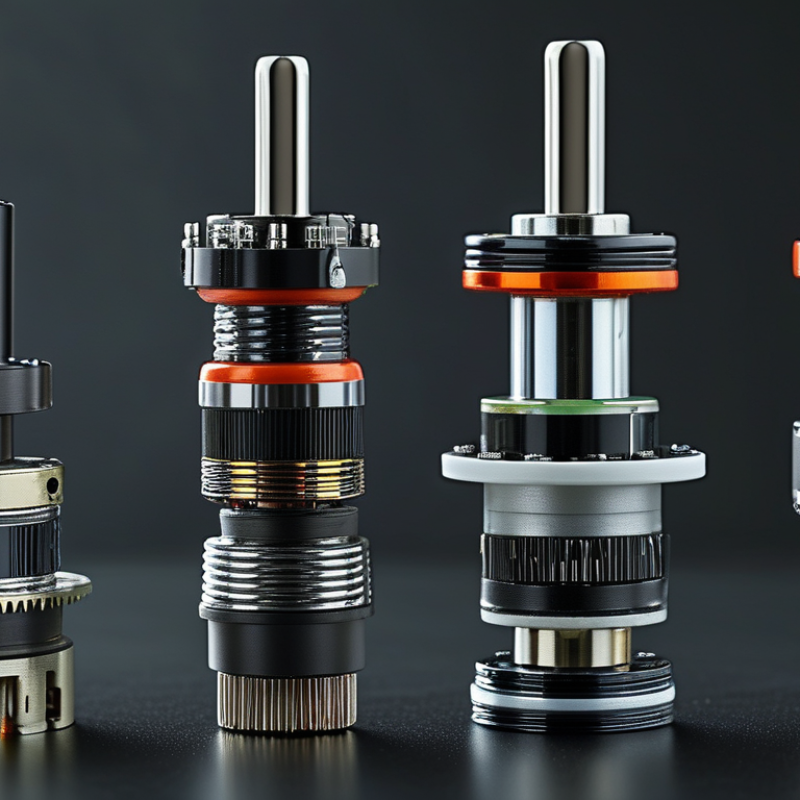
Magnetic assemblies play a crucial role in various industries. These components are an integration of magnets and other elements, designed for specific applications. They consist of magnets, housings, and sometimes additional supporting parts. The magnets provide the primary force while housings ensure durability and stability.
The definition of magnetic assemblies can vary based on use. For example, in automotive applications, these assemblies can be part of sensors or locking mechanisms. In electronics, they might serve as connectors for devices. Often, precise configurations are necessary to achieve desired magnetic fields. The materials used can significantly affect performance and longevity.
While magnetic assemblies are effective, challenges exist. Choosing the right components requires careful consideration. Not all combinations yield optimal results. Misalignment can lead to functionality issues. Users must understand these nuances to enhance their applications. Knowledge and experience are essential for successful implementation.
Types of Magnetic Assemblies: Permanent, Electromagnetic, and Hybrid
Magnetic assemblies are fascinating tools utilized in various industries. They can be categorized into three main types: permanent, electromagnetic, and hybrid. Each type has distinct characteristics that determine its application.
Permanent magnetic assemblies harness the power of static magnets. They provide a constant magnetic field without needing electricity. This type is commonly found in household items like fridge magnets or industrial applications that require reliable holding power. They are known for their durability and low maintenance needs. However, they can have limitations in strength compared to other types.
Electromagnetic assemblies, on the other hand, offer magnetic fields that can be adjusted. They require a power source to create magnetism. This flexibility allows them to be used in applications such as clamping, lifting, or transportation systems. It is essential to balance power consumption with the load requirements in these systems. Users should always assess the voltage and current to ensure safe operations.
Hybrid magnetic assemblies combine the benefits of both permanent and electromagnetic systems. They leverage the strengths of each type, offering great versatility and adaptability. This makes them ideal for applications that require consistent performance with a need for adjustable features. However, the complexity of these assemblies may lead to higher initial costs.
Tips: Always evaluate the specific needs of your application when selecting a magnetic assembly type. Consider factors like weight, environmental conditions, and power options. Test magnetic strength periodically to ensure optimal performance.
Types of Magnetic Assemblies and Their Usage
Key Applications of Magnetic Assemblies in Various Industries
Magnetic assemblies are increasingly pivotal in multiple industries, owing to their versatility and efficiency. In automotive manufacturing, they play a significant role. They are used in electric motors and sensors, improving energy efficiency. These assemblies help create lightweight structures, leading to better fuel economy and reduced emissions.
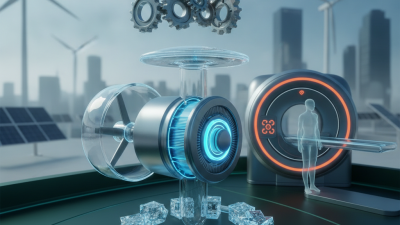
In the medical field, magnetic assemblies support various applications. For example, they are utilized in MRI machines, ensuring precise imaging. They enhance the functionality of surgical instruments and prosthetics, making procedures more efficient. The reliability of magnetic assemblies is crucial, especially in life-saving equipment.
Moreover, the consumer electronics sector heavily relies on these assemblies. They are integral in smartphones, helping in audio and connectivity functions. Yet, challenges exist. The demand for miniaturization can lead to complexity in designs. This creates potential issues with reliability and cost. Industry professionals continuously seek solutions to these hurdles to maintain efficiency and functionality.
Benefits of Using Magnetic Assemblies: Efficiency and Cost-Effectiveness
Magnetic assemblies are versatile components used in various applications. They simplify complex tasks, allowing for efficient design and improved performance. One key benefit is their ability to reduce assembly time. This leads to faster production cycles and decreased labor costs.
Cost-effectiveness is another significant advantage. Magnetic assemblies can minimize the need for additional fastening elements. This simplifies the design and reduces material waste. Companies can lower production costs, achieve more, and spend less.
However, choosing the right magnetic assembly is crucial. Not all options suit every application. Evaluating the specific needs is essential for optimal performance. Sometimes, businesses face challenges finding the right components. Over-reliance on a single solution can lead to missed opportunities for improvement.
Current Market Trends and Future Projections for Magnetic Assemblies
The magnetic assemblies market is evolving rapidly. Industries are embracing these assemblies for their efficiency and versatility. Applications range from motors to sensors. The growing demand for automation in manufacturing boosts the need for these components.
Current trends show a shift towards miniaturization. Devices require smaller yet powerful magnetic assemblies. Innovations in material science enhance performance. Researchers explore new materials for higher magnetic efficiency. This allows for more compact designs that save space and energy.
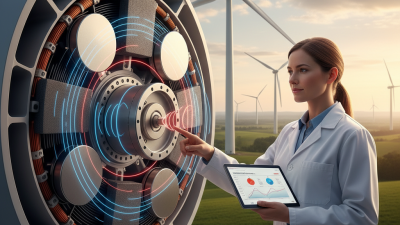
Looking forward, the market is projected to expand significantly. Investments in renewable energy and electric vehicles drive this growth. There is a need for advanced magnetic solutions in these areas. Yet, challenges remain, such as supply chain issues. Companies must adapt to maintain reliability and performance. Awareness of sustainability also pushes for greener manufacturing practices.

 High Quality
 High Performance
 Technology Support