2026 Top Neodymium Magnets Uses and Applications You Need to Know?
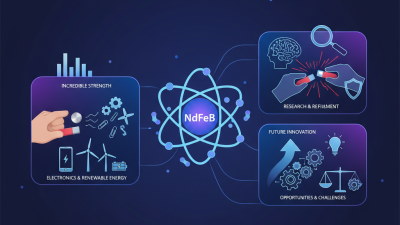
Neodymium magnets are revolutionizing various industries with their remarkable strength and versatility. As Dr. Emily Carter, a leading expert in magnetic materials, once said, “Neodymium magnets are the backbone of modern technology.” Their powerful magnetic properties enable innovative applications across fields like electronics, automotive, and renewable energy.
In 2026, the uses of neodymium magnets are expected to expand even further. These magnets play critical roles in electric motors, generators, and MRI machines. Their ability to lift heavy loads while remaining compact makes them invaluable in manufacturing and logistics. However, the growing reliance on neodymium also raises concerns, such as environmental impacts during production.
It's crucial to evaluate the sustainability of neodymium magnet usage. Manufacturers are exploring environmentally friendly alternatives and recycling methods. This reflection on the industry is necessary to ensure that the benefits of neodymium magnets do not overshadow the potential drawbacks. The future of neodymium magnets will depend on balancing innovation with responsible practices.

Understanding Neodymium Magnets: Types and Properties
Neodymium magnets are fascinating materials known for their exceptional strength. They belong to a class of rare earth magnets. These magnets are composed of neodymium, iron, and boron. This combination gives them a unique magnetic property. They can generate powerful magnetic fields, making them useful in various applications.
In terms of types, neodymium magnets come in several shapes and sizes. Common forms include disc, block, and ring shapes. Their surface coatings are also important. Coatings like nickel or epoxy protect against corrosion. However, these coatings can chip or wear over time. It's vital to consider this in applications.
The properties of neodymium magnets are impressive. They have high magnetic strength, which allows for compact designs. Yet, they are brittle and can shatter if handled improperly. This fragility requires careful handling and storage. The temperature tolerance also varies. Some neodymium magnets lose magnetism at elevated temperatures. Understanding these traits is crucial for optimal use.
2026 Neodymium Magnets: Key Uses and Applications
Key Applications of Neodymium Magnets in Industry
Neodymium magnets are crucial in various industries due to their exceptional strength and versatility. They are widely used in electric motors, generators, and magnetic resonance imaging (MRI) machines. According to a recent market analysis, the global neodymium magnet market is projected to reach USD 35 billion by 2026, driven by increasing demand in green energy solutions.
One significant application is in electric vehicles (EVs). Neodymium magnets enhance the efficiency of EV motors, leading to better performance and longer battery life. With the growing shift towards sustainable transportation, it's worth noting that these magnets account for approximately 50% of the motor's weight. Their role in providing torque and speed in these motors cannot be overstated.
Tip: When considering the use of neodymium magnets, evaluate the environmental impact. Although they are powerful, the mining of rare earth materials raises ethical concerns. Recycling and recovery processes are evolving, aiming to mitigate these effects.
Neodymium magnets also find use in consumer electronics. Smartphones, speakers, and hard drives rely on these small yet powerful magnets. However, manufacturers must address challenges related to magnet degradation over time. This affects device longevity and performance. Continuous research is needed to enhance their durability, ensuring they meet the fast-paced demands of modern technology.
Innovative Uses of Neodymium Magnets in Consumer Electronics
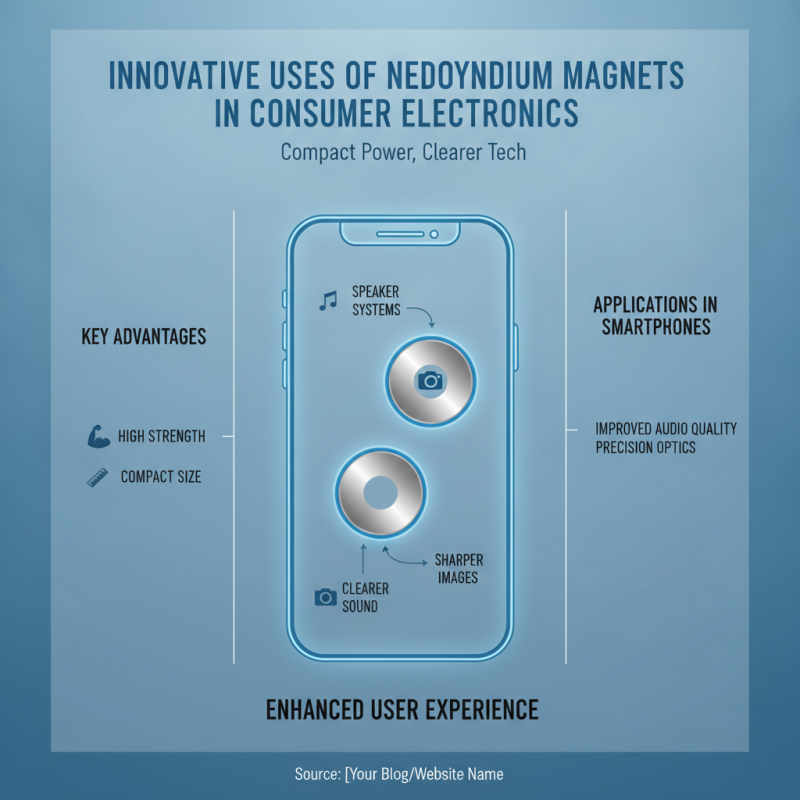
Neodymium magnets are revolutionizing the world of consumer electronics. Their high strength and compact size make them ideal for various applications. In smartphones, for instance, these magnets are used in speakers and camera systems. They enable clearer sound and sharper images, enhancing the user experience.
Similarly, in wearables, neodymium magnets help in sensors and actuators. These magnets allow devices to be lightweight while maintaining performance. However, integrating them can be tricky. Improper use may lead to malfunctions or degraded efficiency.
One emerging application is in smart home technology. Magnets facilitate easy mounting and secure placement of devices. Yet, this innovation raises concerns about dependency on technology. Users must balance the convenience with potential over-reliance on smart systems. Awareness of these issues is crucial for future developments.
Neodymium Magnets in Renewable Energy Technologies
Neodymium magnets play a vital role in renewable energy technologies. Their powerful magnetic properties make them ideal for wind turbines and solar power systems. These magnets help convert mechanical energy into electrical energy efficiently.
In wind turbines, neodymium magnets are used in permanent magnet generators. These generators are smaller, lighter, and more efficient than traditional ones. This efficiency can lead to increased energy output, which is crucial for meeting growing energy demands. However, the production process of these magnets raises concerns about environmental impacts and resource availability.
Solar energy systems also benefit from neodymium magnets. They are used in motors and tracking systems that optimize solar panel positioning. These systems enhance energy capture and improve overall efficiency. Yet, there is still ongoing research for cost-effective alternatives. Exploring these options could minimize reliance on rare earth elements and foster sustainable practices in renewable energy sectors.
Future Trends in Neodymium Magnet Applications and Research
The future of neodymium magnet applications is vast and evolving. Research focuses on improving efficiency, recycling, and sustainability. Industries like renewable energy are increasingly relying on these magnets for wind turbines and electric vehicles. This transition aligns with global efforts to reduce carbon footprints and combat climate change. Incorporating neodymium magnets into these technologies enhances performance and energy output.
Innovative applications are emerging in consumer electronics. As devices become smaller yet more powerful, neodymium magnets are vital in improving functionality. Their lightweight nature aids in creating slimmer designs. However, packaging and manufacturing processes still present challenges. Balancing performance with environmental impact is essential. Ongoing research aims to develop alternative materials that maintain effectiveness without compromising sustainability.
Collaboration between researchers and manufacturers is crucial for these developments. Sharing findings and investing in new technologies will drive progress. As these partnerships grow, we may see more breakthroughs. Addressing quality control and material sourcing must be priorities. Only then can the full potential of neodymium magnets be realized while ensuring a responsible future.

 High Quality
 High Performance
 Technology Support