High Energy Magnets Tips for Optimal Performance and Usage?
High Energy Magnets are a vital component in various industries, from manufacturing to electronics. Dr. Emily Carter, a leading expert in magnet technology, emphasizes, "The performance of High Energy Magnets can transform how industries operate." Her insights highlight the importance of optimizing their usage for maximum effectiveness.
The right handling and application of High Energy Magnets can significantly boost performance. Yet, many overlook simple guidelines that ensure their longevity. Understanding the magnetic field strength and distance is crucial. Proper orientation can enhance their efficacy. Keep in mind that misuse or improper storage can lead to diminished performance.
While High Energy Magnets offer incredible benefits, there is still much to learn. Evaluating their applications requires both knowledge and experience. Reflecting on past mistakes can lead to better practices. Industry professionals must continue to share findings and tips for using High Energy Magnets effectively. In a rapidly advancing field, continuous improvement is key.

Understanding High Energy Magnets: Types and Properties
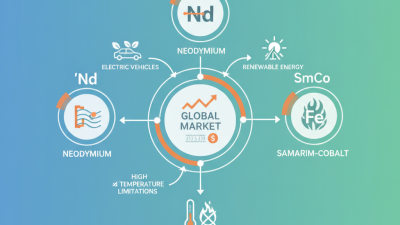
High energy magnets come in various types, each having unique properties. Neodymium magnets are among the strongest types available. Their compact size makes them suitable for diverse applications. Ferrite magnets, while weaker, are more cost-effective. They are widely used in everyday items, such as refrigerator magnets and speakers.
Understanding the material composition is essential. Neodymium magnets consist of alloyed substances, primarily neodymium, iron, and boron. This combination grants them remarkable strength, but they are more susceptible to corrosion. It’s crucial to store them properly to maintain their longevity. Ferrite magnets, made from ceramic materials, resist corrosion but offer lower magnetic strength.
Users often overlook safe handling. High energy magnets can snap together unexpectedly, causing injury. Awareness of their magnetic pull is important, especially in environments with electronic devices. Despite their advantages, challenges exist in their use. Non-ideal conditions may lead to weakening over time, requiring careful monitoring of performance. Understanding these nuances can enhance the effectiveness of using high energy magnets.
Factors Affecting Magnet Performance: Material and Design Considerations
High-performance magnets rely heavily on their material and design. The type of magnet material impacts its magnetic strength and stability. For instance, neodymium magnets, known for their high magnetic power, can be ten times stronger than traditional ceramic magnets. This strength makes them ideal for various applications in technology and industry.
However, using high-energy magnets requires careful design considerations. Factors such as shape, size, and thickness can influence performance significantly. Reports indicate that optimizing these dimensions can enhance efficiency by up to 30%. Engineers often conduct simulations to predict the magnetic field patterns, providing a data-driven approach to magnet design.
Utilizing high-energy magnets effectively involves understanding their limitations. While they are powerful, extreme temperatures can lead to performance degradation. Testing under real-world conditions is crucial. Ensure that the operating environment aligns with the magnet specifications. Regular assessments help maintain optimal performance of magnetic systems. Adjustments may be necessary when operating outside of recommended conditions.
Best Practices for Handling and Storing High Energy Magnets
Handling and storing high energy magnets requires specialized techniques to maintain their performance and longevity. Experts recommend keeping these magnets in a stable environment, ideally between 15°C and 25°C. Fluctuations in temperature can affect magnet properties over time. Humidity levels should be controlled as well, ideally below 60%. Excess moisture can lead to corrosion, particularly in neodymium magnets.
When handling high energy magnets, ensure to wear appropriate safety gear. The powerful magnetic force can pose risks of pinching, which can be serious. Use non-metallic tools for manipulation to avoid accidental attraction. During storage, place magnets in protective containers, ideally wrapped in anti-static material to prevent damage. Avoid stacking them carelessly; this could lead to chipping or cracking.
Magnets should be kept away from electronic devices. Studies show that persistent exposure to magnetic fields can interfere with the functionality of sensitive electronics. Always maintain a safe distance. High energy magnets can retain residual magnetism if not stored correctly. Regularly inspect your magnets for any signs of degradation. This proactive approach can help ensure optimal performance and safety.
Applications of High Energy Magnets in Various Industries
High energy magnets have found diverse applications across various industries, demonstrating significant impact and efficiency. In automotive manufacturing, such magnets play a crucial role in electric motors and sensors. According to the International Energy Agency, electric vehicle sales reached 6.6 million units globally in 2021, highlighting the increasing demand for high-efficiency components.
In the medical sector, high energy magnets are essential for MRI machines. A study published in the Journal of Magnetic Resonance Imaging states that stronger magnets enhance image clarity, leading to better diagnostic outcomes. The correlation between magnet strength and image quality suggests that advancements in magnet technology can substantially improve patient care.
The construction industry also benefits from these magnets for lifting heavy materials. The use of magnetic lifters can reduce worker injuries and increase productivity. Despite these benefits, challenges remain. Not all materials react favorably to high energy magnets. Understanding materials' magnetic properties is essential for optimal usage. The variation in performance based on conditions may lead to suboptimal outcomes if not carefully managed.
High Energy Magnets Tips for Optimal Performance and Usage
| Industry |
Application |
Magnet Type |
Optimal Performance Tips |
| Automotive |
Electric Motors |
Neodymium |
Ensure proper alignment and cooling |
| Healthcare |
MRI Machines |
Samarium-Cobalt |
Regular maintenance and calibration |
| Aerospace |
Actuators |
High-Temperature Neodymium |
Monitor thermal thresholds |
| Electronics |
Speakers |
Ferrite |
Optimize enclosure design for sound quality |
| Renewable Energy |
Wind Turbines |
Neodymium |
Enhance magnetic circuit efficiency |
Safety Precautions When Using High Energy Magnets
When using high-energy magnets, safety should be your top priority. These magnets can have powerful attractions, posing risks when mishandled. Always store them in a secure location, away from children and pets. Avoid placing them near electronic devices, as strong magnetic fields can cause damage. Be mindful of your surroundings to prevent accidents.
Wearing protective gear is a smart choice. Gloves can protect your hands from pinching injuries. Safety goggles may shield your eyes from flying debris if magnets snap together unexpectedly. Ensure you understand the force these magnets create. They can attract with surprising strength, leading to potential injuries. Always handle them with care, using two hands, and keep your face away during storage and transport.
Reflections on safety are crucial. Even seasoned users can make mistakes. Accidental releases or drops can lead to breakage, creating sharp edges. It's important to regularly inspect your magnets for damage. A small crack can compromise the magnet’s integrity. Taking these precautions ensures safe and optimal performance in your projects. Prioritizing safety helps you enjoy the benefits of high-energy magnets while minimizing risks.
High Energy Magnets Performance Metrics
This chart illustrates the magnetic strength of various high energy magnet types, measured in Tesla. It is crucial to understand the performance of different magnets for optimal usage and application.

 High Quality
 High Performance
 Technology Support