High Energy Magnets for Global Buyers What You Need to Know?
High Energy Magnets are a pivotal component in various industries, driving advancements in technology and manufacturing. According to a report by MarketsandMarkets, the global permanent magnet market was valued at USD 16.02 billion in 2021 and is expected to reach USD 25.13 billion by 2026, with High Energy Magnets playing a crucial role in this growth. Their strong magnetic properties make them ideal for applications ranging from electric vehicles to renewable energy systems.
The demand for High Energy Magnets is supported by an increasing focus on energy efficiency. Industries are seeking innovative solutions to enhance performance while reducing waste. A study from Statista indicates that electric vehicle production is projected to surge, which will require an estimated 300,000 tons of High Energy Magnets by 2030. This demand highlights the importance of reliable supply chains and sustainability practices in manufacturing.
However, navigating the global market for High Energy Magnets is not without challenges. Fluctuating raw material costs and geopolitical tensions can impact availability. Buyers must be aware of these factors and consider the reputation of suppliers. Building relationships with trusted manufacturers ensures access to high-quality High Energy Magnets that meet specific industry needs.
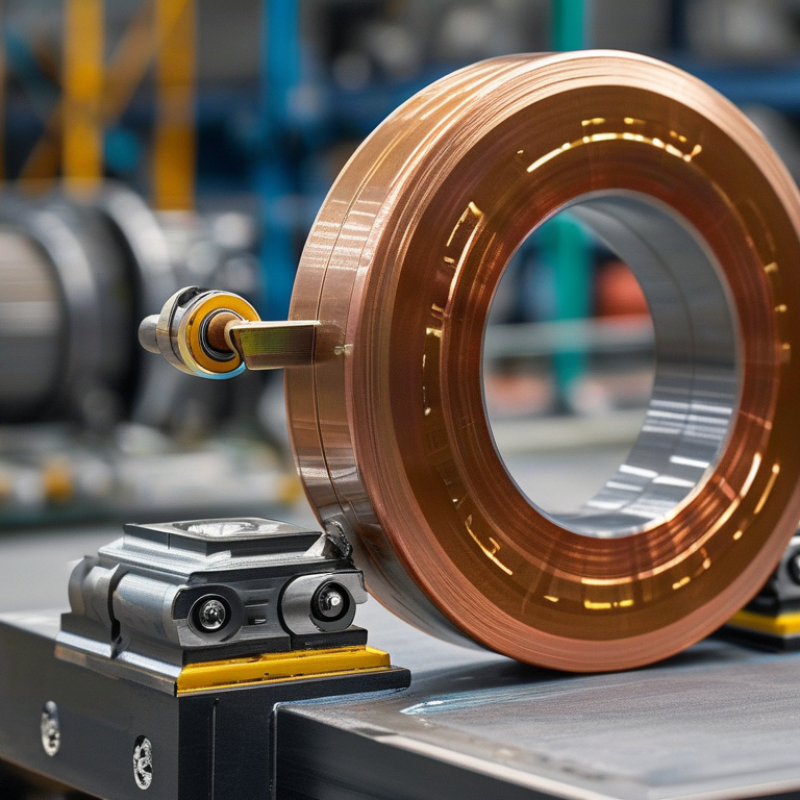
Understanding High Energy Magnets: Definition and Types
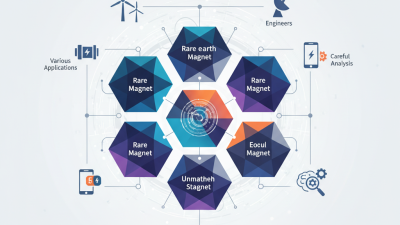
High energy magnets are essential in various applications. They can be found in everything from electric vehicles to consumer electronics. Understanding their types helps buyers make informed decisions.
There are several high energy magnet types. Sintered neodymium magnets are among the strongest. They offer exceptional magnetic strength but can be brittle. Ferrite magnets, on the other hand, are robust and cost-effective. However, they lack the same magnetic power. Each type has its own advantages and drawbacks.
Selecting the right magnet requires careful consideration. Buyers should reflect on their specific needs. Price, strength, and durability are crucial factors. Ensure the chosen magnet fits the application. One might overlook some nuances, which can lead to poor choices. Constant learning is vital to navigate the complex world of high energy magnets.
High Energy Magnets for Global Buyers - What You Need to Know?
| Magnet Type |
Maximum Energy Product (MGOe) |
Temperature Resistance (°C) |
Common Applications |
| Neodymium (NdFeB) |
42 - 55 |
80 - 230 |
Speakers, Motors, Medical Devices |
| Samarium-Cobalt (SmCo) |
29 - 36 |
200 - 300 |
Aerospace, Military, High-Temperature Applications |
| Alnico |
5 - 12 |
450 |
Guitar Pickups, Sensors |
| Ferrite (Ceramic) |
2 - 5 |
250 |
Household Appliances, Automotive |
| Bonded Magnets |
12 - 20 |
60 - 180 |
Consumer Electronics, Toys |
Applications of High Energy Magnets in Various Industries
High energy magnets play a pivotal role in various industries, enhancing efficiency and performance. In the automotive sector, these magnets are essential for electric vehicles (EVs). According to a report by Allied Market Research, the EV market is projected to reach $1 trillion by 2030. High energy magnets enable smaller, lighter motors, improving vehicle range and efficiency.
In the field of renewable energy, these magnets are crucial for wind turbines. They help create more efficient generators, leading to higher energy output. A study from the National Renewable Energy Laboratory highlights that modern turbines could reach 50% efficiency with improved magnet technology. This efficiency translates to lower costs and better resource utilization.
The medical industry also benefits significantly. High energy magnets are used in MRI machines, allowing for clearer imaging and faster scans. According to the Journal of Magnetic Resonance Imaging, advancements in magnetic technology can improve diagnostic accuracy by up to 30%. This improvement can impact patient outcomes positively, providing healthcare professionals with better tools for diagnosis.
However, for all their advantages, high energy magnets come with challenges. Sourcing materials sustainably remains a concern. The environmental impact of mining for rare earth elements is significant. As industries depend more on these magnets, finding a balance between performance and sustainability is essential.
Applications of High Energy Magnets in Various Industries
Key Factors to Consider When Sourcing High Energy Magnets
When sourcing high energy magnets, several key factors come into play. Understanding magnet grades and specifications is crucial. Different applications require different strengths and sizes. Researching these details can prevent costly mistakes down the line.
Quality assurance is another important aspect. Look for manufacturers who adhere to established industry standards. Certifications can demonstrate reliability. However, not all certifications are equal. Always verify the authenticity of these claims.
Price should not be the sole deciding factor. A lower cost might indicate inferior quality. Consider the balance between price and durability. It's worth investing in a trusted supplier. Relationships built on trust can lead to better support and service. Don't underestimate the value of asking questions. A knowledgeable supplier can be a great asset.
Global Market Trends and Demand for High Energy Magnets
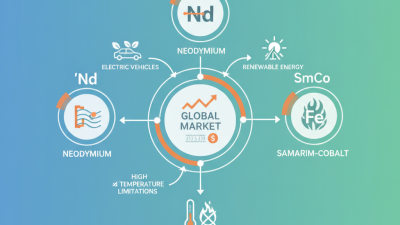
The global market for high energy magnets is experiencing significant growth. As industries innovate, the demand for these magnets has surged. According to a recent market report, the global high energy magnet market is projected to reach approximately $30 billion by 2025. This growth is influenced by expanding applications in electronics, automotive, and renewable energy sectors.
In the automotive sector, electric vehicles (EVs) are a major driver. High energy magnets play a crucial role in the efficiency of EV motors. A study indicates that these magnets can improve motor performance by up to 30%. Renewable energy also drives demand, especially in wind turbine manufacturing. Reports suggest that by 2024, the demand for magnets in this niche will increase by 15% annually.
Despite this growth, challenges persist. Sourcing raw materials for magnet production remains volatile. Market fluctuations can lead to supply chain disruptions. Additionally, the recycling of high energy magnets is still an evolving practice. Effective recycling methods have yet to be standardized, posing an environmental challenge. Stakeholders need to address these issues to fully realize market potential. Insights from industry experts highlight the importance of sustainable practices in magnet manufacturing for future success.
Best Practices for Safe Handling and Storage of High Energy Magnets
High energy magnets are essential in various industries, but they require careful handling and storage. Proper management can prevent accidents and ensure safety. According to a recent industry report, nearly 30% of workplace injuries related to magnets occur due to improper storage or handling. Adhering to safety protocols is crucial.
When handling high energy magnets, always wear protective gear. This includes gloves and eye protection. Ensure work areas are clean and organized to prevent accidents. Magnets can attract stray metal, posing potential hazards. It’s best to use non-metallic tools to manipulate these materials.
Storage is equally important. High energy magnets should be stored in a dedicated area, away from electronic devices. A controlled environment reduces risks of demagnetization. Label storage containers clearly to avoid confusion. Tips: Keep a safety manual visible and conduct regular training for employees. This ensures that everyone understands the risks and best practices associated with magnets. Regularly check storage conditions as fluctuations can impact magnet performance.
Taking these precautions can minimize risk. Reflecting on storage techniques and handling methods can enhance safety. Always seek further training or resources to improve practices. The more informed you are, the safer the workspace becomes.

 High Quality
 High Performance
 Technology Support