Exploring the Best Magnetic Separation Techniques in China?
The magnetic separation industry in China has witnessed significant advancements in recent years. According to a report by Research and Markets, the market for magnetic separation equipment is projected to grow at a CAGR of 6.5% from 2023 to 2028. This growth is spurred by the increasing demand for efficient separation solutions in mining, recycling, and waste management sectors.
Dr. Lin Wei, a prominent expert in magnetic separation, emphasizes the importance of innovation. He stated, "Magnetic separation is evolving, and we must adapt our technologies to meet the growing environmental challenges." This reflects the increasing need for sustainable practices in the industry. Companies are exploring novel techniques to enhance efficiency and reduce operational costs. Despite these advancements, challenges remain. Some current techniques may not achieve optimal results in diverse material compositions.
As the market evolves, stakeholders are urged to critically assess existing methods. The need for improvement is clear, and overcoming these issues could lead to more effective applications of magnetic separation technologies.
Overview of Magnetic Separation Techniques Used in China
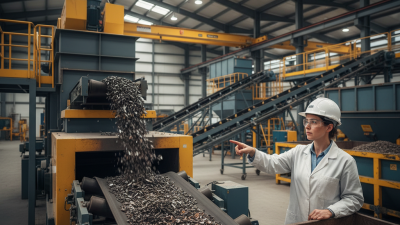
Magnetic separation techniques play a vital role in various industries across China. They are widely used in mining, recycling, and food processing. These methods utilize magnetic fields to remove ferromagnetic materials from mixtures. This process enhances product purity and increases operational efficiency. In recent years, the technology has evolved, incorporating advanced designs and materials.
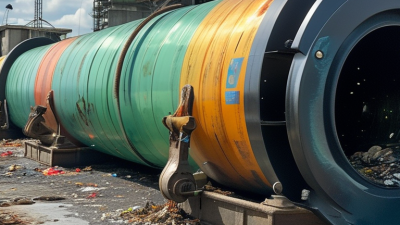
One common technique is the use of magnetic drums. They are simple yet effective for large-scale operations. Material passes over the drum, and magnetic particles cling to it. This method is efficient but can sometimes leave behind fine non-magnetic particles.
Another approach is the use of magnetic separators, which employ belts or pulleys. These systems can adapt to different materials, but proper calibration is essential to avoid misseparations.
Despite the advancements, challenges remain. Many facilities still face limitations in separating mixed materials effectively. Moreover, the choice of technology may not always align with the specific needs of a project. Each application presents unique complexities. Addressing these complexities can lead to improved methods in the future, but ongoing research is crucial. The landscape of magnetic separation continues to evolve, reflecting the needs and innovations in various industries in China.
Types of Magnetic Separators: An In-Depth Analysis
Magnetic separation techniques have become crucial in various industries, particularly in China. The primary types of magnetic separators include wet magnetic separators, dry magnetic separators, and magnetic drums. Each type serves a specific purpose and operates under different conditions. Wet magnetic separators work in a slurry, efficiently separating fine particles. They are ideal for mineral processing and recycling applications.
Dry magnetic separators, on the other hand, are often used for bulk materials. They thrive in dry, dusty environments. These separators rely heavily on magnetic field strength to achieve effective separations. Magnetic drums are another popular choice. These devices use magnetic cylinders to continuously remove ferrous and non-ferrous materials. Their efficiency makes them suitable for large-scale operations.
Despite their effectiveness, there are challenges. The performance can vary based on material characteristics, such as particle size and composition. It's essential to consider the application environment as well. Selecting the right magnetic separator is not always straightforward. A deep understanding of each type's capabilities is necessary for optimal results. Engineers often face dilemmas when designing systems that require precise magnetic separation. This variability stresses the importance of ongoing research and improvements in magnetic technology.
Applications of Magnetic Separation in Various Industries
Magnetic separation is essential in many industries. One prominent application is in mining. Here, it helps extract valuable minerals from ore. By using powerful magnets, companies can achieve higher recovery rates. This method is both efficient and cost-effective, making it popular in China’s mineral sector.
In the food industry, magnetic separation plays a crucial role. It removes metallic contaminants from products. This improves safety and quality. For example, magnetic separators are often used to clean grains and powders. However, challenges arise in ensuring complete removal. Traditional methods may not catch all contaminants.
The recycling industry also benefits from magnetic separation. Magnetic systems facilitate the sorting of metals from waste. This reduces landfill use and promotes sustainability. Some facilities have reported difficulties in separating mixed metals. Fine particles can become lost in the process. Addressing these issues is vital for improving overall efficiency.
Innovations and Advancements in Magnetic Separation Technology
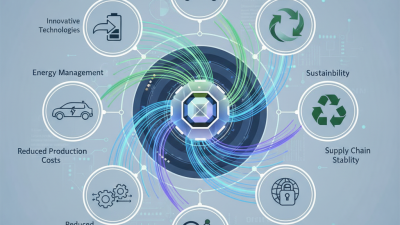
Magnetic separation technology has seen significant advancements in China. Innovations have led to more efficient and effective processes in separating materials. These developments focus on improving the strength of magnetic fields and the design of separation equipment. Advanced software tools enhance the precision of separation by using real-time data to optimize operations. This has transformed industries like mining and recycling.
Tips: To maximize efficiency, ensure regular maintenance of your magnetic separators. Check for wear and tear on magnets frequently. A clean operating environment enhances the performance of magnetic equipment too.
Researchers are exploring novel materials for magnets. Composite materials could lead to stronger and lighter options. However, the industry still grapples with sustainability issues in sourcing these materials. The challenge lies in balancing innovation with environmental considerations. The need for recycled materials in manufacturing is growing. There is a constant push to improve processes and minimize waste.
Tips: Evaluate your supply chain for sustainability. Focus on sourcing local materials to reduce your carbon footprint. Stay updated with industry trends for better decision-making.
Innovations in Magnetic Separation Technology in China
Challenges and Future Trends in Magnetic Separation in China
Magnetic separation in China faces a series of challenges as it evolves. Key hurdles include technological limitations, resource scarcity, and environmental concerns. Research indicates that over 70% of companies struggle with integrating advanced magnetic techniques effectively. This indicates a gap in expertise and infrastructure within many organizations.
Future trends suggest a push towards automation and smarter magnetic systems. For instance, studies forecast a 15% annual growth in the demand for automated magnetic separation tools by 2025. However, the high initial costs deter many potential adopters. Additionally, environmental regulations are tightening, pushing companies to develop greener technologies. Achieving compliance while maintaining efficiency adds pressure.
The increasing complexity of materials also complicates separation processes. Many existing systems cannot handle mixed waste effectively. As industries shift toward recycling, innovative magnetic methods are crucial. They could mitigate waste, but investment in research is urgently needed. The road ahead is filled with both challenges and opportunities for advancement in China’s magnetic separation landscape.
Exploring the Best Magnetic Separation Techniques in China
| Technique |
Efficiency (%) |
Application |
Challenges |
Future Trends |
| High-Gradient Magnetic Separation |
95% |
Mineral Processing |
High operational costs |
Increased automation |
| Magnetic Flotation |
90% |
Recycling |
Complexity of process |
Integration with AI systems |
| Electromagnetic Separation |
85% |
Food Industry |
Safety concerns |
Development of safer materials |
| Permanent Magnetic Separation |
80% |
Mining |
Heavy machinery requirement |
Miniaturization of devices |
| Wet Magnetic Separation |
75% |
Waste Management |
Water usage issues |
Water recovery systems |

 High Quality
 High Performance
 Technology Support