What Are Patents On Neodymium Magnets and How Do They Work?
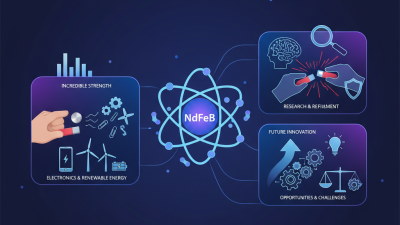
Neodymium magnets are powerful tools widely used in various industries. Their strength is unmatched, making them essential for electric vehicles, smartphones, and medical devices. However, this innovation comes with a complex web of intellectual property protection. Patents on neodymium magnets play a crucial role in safeguarding the inventions behind these magnets.
Understanding patents on neodymium magnets means grasping how innovation is protected. Each patent outlines specific claims that inventors can enforce. This legal framework fosters creativity and ensures inventors can benefit from their work. Yet, navigating this space can be challenging. Many people find it hard to decipher the language of patents.
The importance of patents goes beyond individual inventors. Industries rely on them for competitive advantage. Companies invest significant resources in R&D and patent applications. As a result, patent strategies can determine commercial success. However, the constant evolution of technology raises questions about these protections. Are they keeping pace with innovation?

What Is a Neodymium Magnet?
Neodymium magnets are a type of rare-earth magnet made from an alloy of neodymium, iron, and boron. These magnets are known for their exceptional strength and are widely used in various applications, including motors, generators, and MRI machines. According to a recent report by MarketsandMarkets, the global neodymium magnet market is expected to reach $38 billion by 2025, reflecting their growing demand in diverse industries.
The unique properties of neodymium magnets arise from their atomic structure. They provide a much stronger magnetic force compared to traditional magnets. This strength allows for smaller and lighter designs in many applications. However, challenges exist in managing their brittleness and susceptibility to corrosion. Some manufacturers are working on coatings to improve longevity, while others explore alternative materials. The industry's rapid growth prompts discussions about sustainability and recycling, which remain critical issues in magnet production.
As the technology evolves, the need for patents becomes essential. Protecting innovations ensures that companies can invest in research and development. Patents also foster competition and innovation, leading to better products. The ongoing advancements in this field showcase how magnet technology can influence progress in numerous sectors. Awareness of these developments can help stakeholders make informed decisions.
What Are Patents On Neodymium Magnets and How Do They Work? - What Is a Neodymium Magnet?
| Aspect |
Details |
| Definition |
Neodymium magnets are strong permanent magnets made from an alloy of neodymium, iron, and boron (NdFeB). |
| Magnetic Strength |
They are the strongest type of permanent magnet available commercially, with a maximum energy product of up to 52 MGOe. |
| Common Applications |
Used in various applications such as electric motors, hard disk drives, and magnetic resonance imaging (MRI). |
| Patenting |
Patents on neodymium magnets cover their composition, manufacturing processes, and specific applications to protect intellectual property. |
| Working Principle |
They work based on the alignment of magnetic domains within the magnet, which creates a magnetic field. |
| Environmental Considerations |
Production involves rare earth elements, raising concerns about sustainability and environmental impact. |
| Market Trends |
Growing demand in renewable energy applications and consumer electronics is driving market growth. |
Patent Basics: Understanding Intellectual Property Rights
Intellectual property rights play a crucial role in today’s innovation landscape. Understanding patents is vital for inventors and businesses. A patent grants exclusive rights, allowing inventors to protect their creations. This prevents others from using, selling, or distributing inventions without permission.
Neodymium magnets are a prime example of patented inventions. These strong magnets are widely used in various industries. By patenting such innovations, creators secure their investments and encourage further development. However, navigating patent law can be challenging. It requires specialized knowledge to draft and file applications effectively.
Many inventors face obstacles when seeking patents. Creating a unique invention is just the beginning. They must understand the complexities of patent law and maintain rigorous documentation. This process demands time and resources. It’s important for inventors to stay informed and seek expert advice when necessary. Reflecting on these challenges can lead to better preparation and strategy in securing patent rights.
The Process of Patent Application for Neodymium Magnets
The process of patent application for neodymium magnets is crucial to protect innovations in this field. Neodymium magnets are widely used due to their exceptional strength and compact size. According to industry reports, the global neodymium magnet market is expected to reach over $25 billion by 2025, indicating the importance of securing intellectual property rights.
Submitting a patent application can be complex. Inventors must document their unique design or production method thoroughly. This includes detailing the material composition, magnetic properties, and potential applications. The U.S. Patent and Trademark Office (USPTO) requires a clear description of the invention to avoid rejections. The process can take several months to years, depending on the complexity of the application.
Challenges in the patent process often arise due to overlapping claims with existing patents. A thorough prior art search is essential. If relevant patents are found, adjustments to the application may be necessary. This can lead to a longer timeline and additional costs. Many inventors underestimate this aspect. Each small oversight can delay the patent process significantly. Adaptability and attention to detail are vital in navigating this intricate landscape.
Key Features and Innovations in Neodymium Magnet Patents
Neodymium magnets are known for their remarkable strength. Innovations in their design often lead to patented technology. These patents encompass various aspects, including material composition and manufacturing methods. Advanced magnetic properties are achieved through specific alloy ratios. For example, adding certain elements can enhance magnet performance.
Many patents focus on improving durability and heat resistance. This is crucial for applications in diverse industries, from electronics to automotive. Some patents address the challenges of demagnetization. Solutions may involve unique coatings or treatments, which extend the life of the magnets.
Developing efficient recycling methods for neodymium magnets is another important area of innovation. As environmental concerns grow, patents may explore sustainable practices. There is still room for improvement, particularly in reducing manufacturing costs. New approaches could make these powerful magnets more accessible for various applications. Such advancements will benefit both manufacturers and consumers.
Trends in Neodymium Magnet Patent Applications (2010-2022)
Impact of Patents on Neodymium Magnet Industry and Market Dynamics
Patents play a critical role in the neodymium magnet industry.
They offer inventors protection for their innovations while enabling companies to differentiate their products.
According to a 2022 market analysis, patents cover over 75% of neodymium magnet technology.
This high percentage indicates that competition is fierce. Companies must navigate the intricate web of intellectual property rights to avoid legal conflicts and ensure their products remain unique.
The impact of patents extends beyond just technological advancement. They shape market dynamics by controlling access to production methods.
With over 80% of neodymium magnets used in electric vehicles and renewable energy applications, patent restrictions can lead to supply chain challenges.
A 2023 report noted that companies without patent rights face difficulties entering the market.
These firms may struggle to develop new products, which ultimately limits consumer choice and innovation.
For small businesses, the landscape can be daunting. Even established firms must continuously innovate to maintain their competitive edge.
Some might argue that the patent system favors large corporations with resources to navigate complex patent landscapes.
Access to patents can drive innovation but also lead to monopolistic practices.
As the neodymium magnet industry evolves, these factors demand ongoing evaluation and adjustment.
The goal should be a balanced approach that fosters both innovation and fair competition.

 High Quality
 High Performance
 Technology Support