China Top Bonded Neodymium Magnets Advantages and Applications?
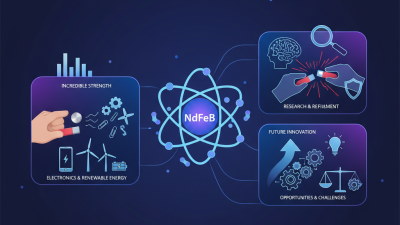
Bonded Neodymium Magnets have become a vital component in various industries due to their unique properties. Their lightweight and strong magnetic capabilities set them apart from traditional magnets. This advantage makes them ideal for applications in electronics, robotics, and renewable energy. Many companies in China specialize in the production of these magnets, ensuring top-quality products.
The manufacturing process of Bonded Neodymium Magnets involves binding neodymium powder with plastics. This method enhances the magnet's durability and resistance to corrosion. However, some challenges remain in striking the right balance between cost and performance. As industries evolve, the demand for innovative solutions increases, pushing companies to improve their processes further.
Despite their many advantages, users must consider the environmental impact of magnet production. It is crucial to adopt sustainable practices in sourcing materials and recycling. By reflecting on these issues, the industry can improve both its practices and its reputation. Thus, Bonded Neodymium Magnets showcase both potential and room for improvement in the pursuit of efficiency and sustainability.

China's Leadership in Neodymium Magnet Production and Technology
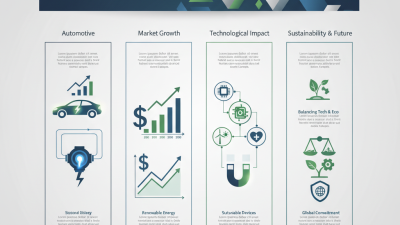
China's leadership in neodymium magnet production is undeniable. In 2021, the country accounted for over 90% of the global output, driven by advancements in technology. The production process is highly efficient, allowing China to dominate pricing and quality. This efficiency is partly due to significant investments in R&D, with nearly $1 billion allocated annually to enhance manufacturing capabilities.
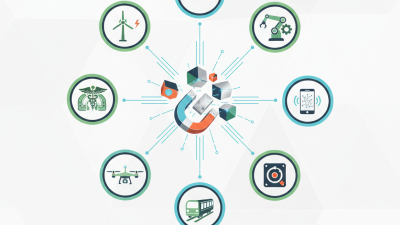
Neodymium magnets are crucial in several industries, including electronics, automotive, and renewable energy. They offer high magnetic strength and durability, making them ideal for motors, generators, and magnetic resonance imaging systems. Reports indicate that the demand for neodymium magnets is expected to grow by around 7.5% annually through 2025. However, challenges remain, such as reliance on rare earth materials and environmental concerns related to mining practices.
Despite these issues, China's neodymium magnets stand out due to their performance and adaptability. The blend of expertise and technological advancement has made Chinese manufacturers leaders in the field. Yet, the industry must address sustainability and responsible sourcing. Ensuring a balance between growth and environmental integrity is crucial for the future.
China Top Bonded Neodymium Magnets Advantages and Applications
| Dimension |
Value |
Application |
| Magnet Grade |
N52 |
Electric Motors |
| Coating Type |
Nickel-Copper-Nickel |
Consumer Electronics |
| Max Operating Temp |
80°C |
Medical Devices |
| Pull Force |
30 lbs |
Industrial Applications |
| Shape |
Disc |
Automation and Robotics |
Key Advantages of Bonded Neodymium Magnets in Various Industries
Bonded neodymium magnets have become essential in various industries due to their unique advantages. They are lightweight and compact yet offer strong magnetic performance. This combination allows for innovative designs in applications such as motors and sensors. With a wide variety of shapes available, these magnets can easily fit into tight spaces. Industries benefit from using bonded neodymium magnets for cost-effective manufacturing processes.
Another key advantage is their resistance to corrosion and heat. This durability makes them suitable for harsh environments. For instance, they are used in automotive components, where reliability is critical. Moreover, their versatility means they can be integrated into both consumer electronics and complex industrial machinery. However, one must consider the environmental impact of production. While these magnets serve many purposes, manufacturers need to focus on sustainable practices.
The ease of shaping bonded neodymium magnets opens doors for creativity in product development. Designers often highlight how they can create smaller, more efficient devices. Yet, this leads to a challenge in balancing performance and size. Staying ahead in innovation requires constant assessment of material choices and processes. Each design shift invites opportunities for improvement and reflection on previous methodologies.
China Top Bonded Neodymium Magnets Advantages and Applications
This bar chart illustrates the advantages of bonded neodymium magnets across various industries, highlighting their significant benefits in automotive, electronics, renewable energy, healthcare, and aerospace applications.
Applications of Bonded Neodymium Magnets in Consumer Electronics
Bonded neodymium magnets have transformed the landscape of consumer electronics. Their lightweight and compact size make them ideal for devices like smartphones, tablets, and wearable technology. According to industry reports, these magnets can deliver up to up to 40% more magnetic force compared to traditional magnets of similar size. This efficiency allows manufacturers to reduce the overall weight and size of devices, which enhances user experience.
In smartphones, for example, bonded neodymium magnets are crucial in the functionality of speakers and camera components. The growing demand for sleeker designs pushes brands to optimize every component. Magnets aid in miniaturization while ensuring performance remains uncompromised. A study by market research highlights that the usage of these magnets in consumer electronics is expected to grow by 15% annually, driven by innovation in lightweight materials.
However, there are challenges to consider. Production costs for bonded neodymium magnets can be high, which may affect pricing strategies for manufacturers. Furthermore, sourcing raw materials sustainably is essential but not consistently practiced. The reliance on rare earth elements necessitates careful examination of supply chain ethics. These complexities reflect the ongoing need for the industry to innovate responsibly while meeting consumer demands.
Environmental and Economic Benefits of Using Neodymium Magnets
Neodymium magnets, known for their strength, offer significant environmental benefits. These magnets help improve energy efficiency in various applications. By incorporating neodymium magnets into electric motors, we can reduce energy consumption. This lowers greenhouse gas emissions, supporting a cleaner environment. The recycling of neodymium also reduces mining waste, preserving natural resources.
Economically, neodymium magnets contribute to cost savings. Their high performance allows for smaller and lighter designs in products. This helps reduce material costs and shipping expenses. Moreover, as industries adopt these magnets, they can increase productivity. However, reliance on rare earth materials raises concerns about supply chain sustainability. The industry must consider the long-term impact of sourcing these materials.
The transition to neodymium magnets comes with challenges. Implementing new technology often requires investment. Companies must balance environmental goals with economic realities. Continuous research is needed to develop alternatives to rare earth materials. This pursuit can lead to innovative solutions that enhance sustainability while maintaining efficiency.
Future Trends and Innovations in Bonded Neodymium Magnet Technologies
The future of bonded neodymium magnet technologies is vibrant and full of potential. Researchers are focusing on enhancing the magnetic properties while reducing production costs. Current trends show a shift towards the use of eco-friendly materials. This can make bonded neodymium magnets more sustainable. Innovations in manufacturing processes are expected to increase efficiency, improving the overall performance.
In various industries, the applications of these magnets are expanding. Smaller, lighter designs are being developed for consumer electronics. Automotive sectors are also exploring their use in electric vehicle motors, which require high energy efficiency. However, challenges remain. There is a constant need for balance between performance and cost. As demand grows, supply chain stability becomes crucial. The future may see more collaborations between companies and research institutions to drive innovations.

 High Quality
 High Performance
 Technology Support