Top 10 Neodymium Magnet Applications for Global Buyers?
In the world of advanced materials, neodymium magnets stand out as crucial components in diverse applications. Dr. Alice Thompson, a leading expert in magnet technology, emphasizes, "Neodymium magnet applications have revolutionized multiple industries with their strength and versatility." This statement encapsulates the essence of the growing importance of these magnets.
Neodymium magnets are not just powerful; they are essential for innovation. From electric motors to computer hard drives, their impact is profound. Engineers and manufacturers rely heavily on these magnets to enhance performance and efficiency. However, the market is constantly evolving. Industry players must adapt and innovate, creating a challenge that demands careful attention.
As we explore the top ten applications of neodymium magnets, it is clear that the benefits are vast. Yet, some applications raise questions about sustainability and ethical sourcing. Balancing powerful magnet solutions with responsible practices is an ongoing conversation. Buyers must navigate the complexities of this vital industry, ensuring they make informed choices. Ultimately, understanding neodymium magnet applications is key to unlocking future potential while addressing critical global concerns.

Understanding Neodymium Magnets: What They Are and How They Work
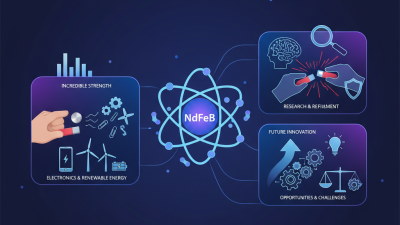
Neodymium magnets, known for their remarkable strength, are made from an alloy of neodymium, iron, and boron. These rare earth magnets are notably more powerful than traditional magnets. They work on the principle of magnetic fields, which are generated by the bonding of their atomic structure. The alignment of these atoms allows neodymium magnets to generate a strong magnetic force in a compact size, making them ideal for various applications.
When using neodymium magnets, consider safety. Their strength can be surprising. They can snap together quickly, potentially causing injuries. Always wear protective gear when handling them, especially if you are using larger sizes.
For enhanced performance, store magnets properly. Keep them in a dry place and away from electronic devices. Ensure they are shielded from impacts to prevent chipping. This practice helps maintain their integrity and prolongs their lifespan.
These magnets find their use in various industries, from motors to medical devices. They can also be found in everyday items like headphones and refrigerator magnets. Understanding their properties leads to innovative applications, although one must be cautious with their power and handling.
Key Industries Utilizing Neodymium Magnets in Modern Applications
Neodymium magnets play a crucial role in various modern industries. The automotive sector heavily relies on these magnets for electric motors and sensors. According to a Market Research Report, the demand for neodymium magnets in this industry is projected to grow by over 8% annually until 2028. Electric vehicles (EVs) are a significant contributor to this growth, with each EV requiring several high-performance magnets.
In the renewable energy sector, neodymium magnets are essential in wind turbines. They allow for more efficient energy conversion, enhancing overall power output. A recent study noted that using neodymium in turbine designs could increase energy capture by 20%. Such advancements highlight the importance of these magnets in achieving sustainable energy goals.
The consumer electronics industry is another key player utilizing neodymium magnets. From smartphones to headphones, these magnets enable compact designs and powerful audio experiences. However, there is room for improvement in recycling methods for neodymium magnets, as current practices are not always effective. Exploring alternative materials and sustainable practices could reduce environmental impacts.
Top 10 Neodymium Magnet Applications for Global Buyers
| Application Area |
Description |
Key Benefits |
Industry Usage |
| Electronics |
Used in smartphones, tablets, and laptops for miniaturized motors and speakers. |
Compact size, lightweight, and strong magnetic force. |
Consumer Electronics |
| Automotive |
Utilized in electric motors and sensors in vehicles. |
Improved efficiency and reduced weight. |
Transportation |
| Medical Devices |
Used in MRI machines and other diagnostic equipment. |
High precision and reliability. |
Healthcare |
| Renewable Energy |
Essential in wind turbine generators and solar panels. |
Increases power output and efficiency. |
Energy |
| Robotics |
Used in motors and sensors for precise movements. |
Enhanced control and flexibility. |
Manufacturing |
| Aerospace |
Employed in satellites and aircraft controls. |
Lightweight and reliable under extreme conditions. |
Aviation |
| Industrial Machinery |
Used in conveyor belts and sorting devices. |
Increased efficiency in material handling. |
Manufacturing & Production |
| Home Appliances |
Implemented in vacuum cleaners, refrigerators, and other appliances. |
Energy efficiency and compact design. |
Consumer Appliances |
| Magnetic Separation |
Utilized in recycling and mineral processing. |
High separation efficiency for materials. |
Recycling & Mining |
| Telecommunications |
Used in antennas and high-frequency devices. |
Enhanced signal strength and clarity. |
Telecom |
Top 10 Innovative Applications of Neodymium Magnets Worldwide
Neodymium magnets are increasingly utilized across various industries due to their remarkable strength and versatility. In the renewable energy sector, for example, these magnets play a critical role in wind turbines. According to industry reports, over 70% of modern wind turbines utilize neodymium magnets in their generators, enhancing energy efficiency and reducing weight. This application significantly contributes to the overall sustainability of energy production.
In consumer electronics, neodymium magnets are essential in the manufacturing of smartphones and headphones. Data indicates that these small yet powerful magnets enable lighter designs and superior sound quality. Companies have reported that 90% of high-end audio devices incorporate these magnets for better performance. However, designers often face challenges in balancing magnet strength with device size.
Additionally, in the automotive sector, neodymium magnets are vital for electric vehicle (EV) motors. Studies show that they can improve motor efficiency by up to 25%, making EVs more competitive with traditional vehicles. Yet, sourcing neodymium raises environmental concerns. There are ongoing discussions about the sustainability of mining these materials. As industries innovate, addressing these challenges and ethical sourcing will be crucial for future applications.
Comparative Analysis: Neodymium vs. Other Types of Magnets
Neodymium magnets, known for their exceptional strength, are often compared to other magnets, such as ferrite or alnico. While neodymium magnets are much stronger and more compact, their higher cost can deter some buyers. It’s important to weigh these factors when deciding on the best type of magnet for specific applications. Neodymium magnets excel in applications like motors, speakers, and medical devices due to their high magnetic energy product.
Conversely, ferrite magnets are less expensive and widely used in lower-performance applications. They can be found in refrigerator magnets and simple toys. However, ferrite magnets are bulkier and weaker. Alnico magnets, made from aluminum, nickel, and cobalt, provide stable performance at high temperatures, unlike neodymium ones, which can demagnetize. Each type has its unique advantages and drawbacks. Buyers must consider their specific needs, balancing cost with performance.
Understanding these differences can lead to better purchasing decisions. For instance, while neodymium is ideal for space-constricted applications, ferrite may be suitable for hobby projects. Often, consumers overlook the long-term implications of magnet choice. Avoiding impulse buys is essential for ensuring that the selected magnet meets the demands of the intended application.
Future Trends in Neodymium Magnet Usage and Development
Neodymium magnets are rapidly evolving, with diverse applications shaping the future. Industries such as automotive and renewable energy are increasingly reliant on these powerful magnets. Electric vehicles, for example, use them extensively for motor efficiency. This growing trend reflects the urgent shift towards sustainable technologies.
Research indicates a surge in demand for compact and lightweight designs. Manufacturers are innovating to create smaller yet stronger magnets. This shift not only saves space but also improves energy efficiency. Moreover, advancements in magnet recycling are crucial. This process can lead to a more sustainable lifecycle for these materials.
However, challenges remain. Supply chain issues can hinder access to raw materials, impacting production. Companies must invest in reliable sourcing strategies. Additionally, the environmental impact of magnet production is under scrutiny. The industry is now exploring greener alternatives to ensure long-term viability. These efforts highlight the complexity of balancing innovation with responsibility.
Top 10 Neodymium Magnet Applications

 High Quality
 High Performance
 Technology Support