Ndfeb Magnet Applications in Industry What You Need to Know?
In the fast-evolving world of technology, the role of Ndfeb magnet applications cannot be underestimated. As noted by Dr. Emily Tran, a leading expert in the field, "Ndfeb magnets are revolutionizing industrial processes with their strength and efficiency." These powerful magnets are becoming essential in various sectors. Their unique properties enhance performance in motors, turbines, and even medical devices.
Ndfeb magnets, composed of neodymium, iron, and boron, offer remarkable magnetic strength. This makes them ideal for miniaturization in numerous applications. Industries today look for components that are both compact and efficient, making Ndfeb magnets a go-to solution. However, their high cost and vulnerability to corrosion pose challenges that require careful consideration.
Engaging with Ndfeb magnet applications means navigating both advantages and obstacles. Exploring these magnets' benefits is vital, but understanding their limitations is equally crucial. Balancing innovation with practical application will define the future of the industry.
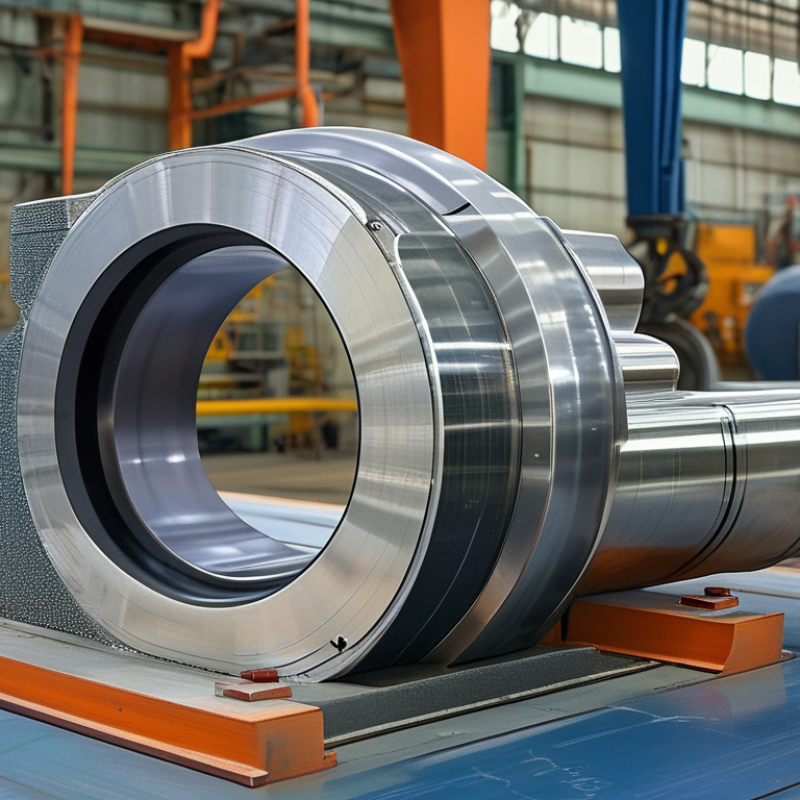
Overview of NdFeB Magnets: Composition and Properties
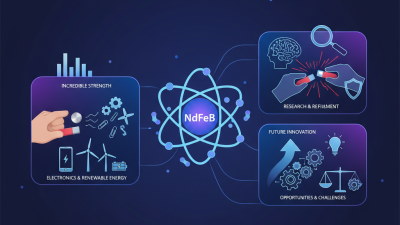
Neodymium iron boron (NdFeB) magnets are powerful and versatile. Their composition includes neodymium, iron, and boron.
This unique blend creates a strong magnetic field. They are known for high strength and excellent magnetic energy density.
These properties make them ideal for many industrial applications.
However, there are challenges. NdFeB magnets can suffer from corrosion. This can weaken their performance over time.
Protective coatings are often necessary.
Additionally, the manufacturing process can be complex. Factors such as temperature and pressure must be carefully controlled.
Any mistake can lead to a subpar product.
Industry demands are growing. NdFeB magnets are used in motors, generators, and sensors.
Their ability to maintain performance under various conditions is crucial.
Nonetheless, manufacturers need to address durability issues.
Constant innovation is vital. Balancing performance, cost, and reliability remains a work in progress.
Key Industries Utilizing NdFeB Magnets
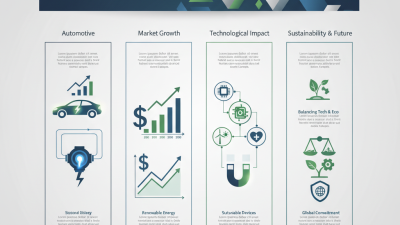
NdFeB magnets, known for their strength, are vital in various industries. They are crucial in manufacturing electric motors, generators, and magnetic resonance imaging (MRI) devices. The automotive industry uses these magnets for electric vehicles. They help improve performance and increase energy efficiency. Renewable energy sectors rely on NdFeB magnets in wind turbines, enhancing their power generation capabilities.
Tips: When considering NdFeB magnet applications, evaluate their environmental impact. Some production processes may not meet sustainability goals. Always prioritize eco-friendly practices in your sourcing.
The electronics sector also benefits significantly from NdFeB magnets. These magnets are used in headphones, speakers, and mobile devices. Their compact size and strong magnetic properties help create cleaner and more efficient designs. However, sourcing raw materials can be challenging. The market can sometimes be unstable, affecting availability and pricing.
Tips: Keep an eye on supply chain trends. Understanding market fluctuations can help in strategic planning. Seek alternatives to ensure your operations remain smooth.
Common Applications of NdFeB Magnets in Manufacturing
NdFeB magnets, or neodymium magnets, have become essential in various manufacturing sectors. Their strength and compact size make them ideal for many applications. In electric motors, for example, these magnets enhance efficiency. They reduce energy consumption, which is critical in today's eco-conscious climate. Their high magnetic strength allows for smaller, lighter designs, crucial for performance in limited spaces.
Another common application is in renewable energy technologies. Wind turbines utilize NdFeB magnets in their generators. These magnets help convert kinetic energy into electrical energy efficiently. As the world shifts toward green energy, the demand for these magnets is rising. Automotive industries also leverage their power in electric vehicles for motors and sensors. The compact design and high strength contribute to better vehicle performance and range.
While NdFeB magnets are advantageous, manufacturing them poses challenges. The mining process for rare earth materials can have severe environmental impacts. Moreover, recycling these magnets remains a critical issue. As industries expand their use of NdFeB, addressing these concerns becomes essential. Sustainable practices will need to accompany the growth in demand. Balancing performance with environmental responsibility is a recurring theme in the industry.
Advantages and Limitations of NdFeB Magnets in Industry
NdFeB magnets, known for their strong magnetic field, have gained popularity in various industries. Their unparalleled strength-to-weight ratio makes them ideal for applications in motors, sensors, and medical devices. According to a report by the Allied Market Research, the global permanent magnet market, which includes NdFeB, is projected to reach $29.4 billion by 2026, driven by the increasing demand for energy-efficient solutions. This shows how crucial these magnets are for future technologies.
However, NdFeB magnets come with limitations. They are sensitive to high temperatures, which can lead to demagnetization. A study published in the Journal of Magnetism and Magnetic Materials highlights that exposing these magnets to temperatures above 80°C can significantly reduce their performance. Additionally, the production process involves rare earth materials, raising concerns about sustainability and resource depletion. Industry experts emphasize the need to balance performance with environmental considerations.
Furthermore, while NdFeB magnets are widely used, challenges remain. Manufacturing inconsistencies can lead to variations in performance. The reliance on rare earth elements also brings geopolitical risks. As industries continue to innovate, it's essential to rethink the materials used for applications. Exploring alternatives could pave the way for sustainable and reliable solutions, while acknowledging the current dependence on NdFeB technology.
Ndfeb Magnet Applications in Industry
Future Trends and Innovations in NdFeB Magnet Technology
NdFeB magnets have transformed various industries with their remarkable strength and versatility. Looking to the future, we see exciting trends in their technology. Innovations in manufacturing processes are set to enhance their performance and reduce production costs. Research is ongoing to improve the eco-friendliness of these magnets, addressing concerns about rare earth material sourcing. Companies are looking for sustainable substitutes, aiming to lessen environmental impact while maintaining efficiency.
Tips: Always consider the magnet's application. Rich knowledge of performance can help choose the right type. Regular updates on industry research might reveal innovative solutions.
Another trend is miniaturization. Smaller NdFeB magnets can achieve high performance in compact devices. This trend is evident in electronics and renewable energy sectors. However, challenges remain, such as ensuring reliability and durability in demanding conditions. Companies must continuously adapt their designs to meet evolving needs.
Tips: Stay informed about advancements. Networking with industry experts can provide insights into emerging technologies. Engage in professional forums to explore new ideas.
Ndfeb Magnet Applications in Industry - Data Overview
| Application Area |
Estimated Market Size (USD) |
Growth Rate (%) |
Key Innovations |
| Electronics |
2 Billion |
8% |
Miniaturization, High-density magnets |
| Automotive |
1.5 Billion |
6% |
Electric motors, Enhanced efficiency |
| Renewable Energy |
1 Billion |
10% |
Wind turbines, Power generation |
| Medical Devices |
500 Million |
7% |
MRI machines, Magnetic therapy |
| Aerospace |
750 Million |
5% |
Weight reduction, High-performance motors |

 High Quality
 High Performance
 Technology Support