What are the Latest Trends in Robotics and Automation Technology?
Robotics and automation technology are rapidly reshaping various industries. The global market for these technologies is projected to reach $500 billion by 2026, according to a recent report by the International Federation of Robotics. This growth reflects a heightened interest in automating processes to enhance efficiency and reduce costs. Companies are increasingly adopting robots to handle tasks ranging from assembly lines to complex surgeries.
Recent trends indicate a shift towards collaborative robots, or cobots, designed to work alongside humans. They represent a significant advancement in user-friendly automation. Moreover, artificial intelligence is becoming integral to robotics, enabling machines to learn and adapt to new environments. However, challenges remain. Integration into existing systems can be complicated and costly for businesses.
As innovation continues, the landscape of robotics and automation technology will undoubtedly evolve further. Embracing these trends may lead to significant competitive advantages, but organizations must carefully navigate the associated risks and uncertainties. Continuous learning and adaptation will be essential for success in this dynamic field.
Emerging Technologies Driving Robotics Innovation in 2023
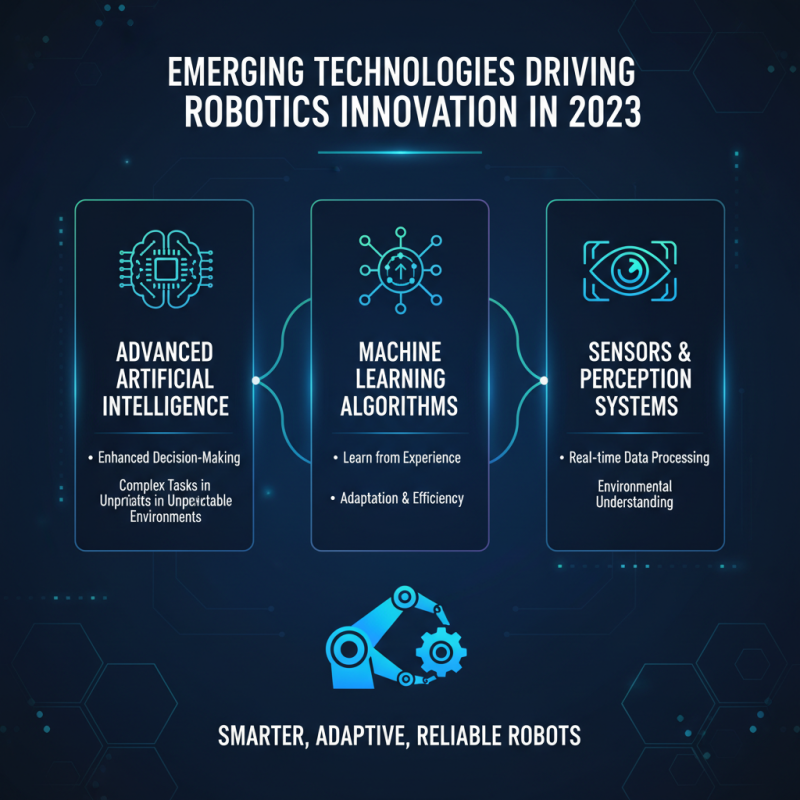
Emerging technologies are rapidly transforming the field of robotics in 2023. Advanced artificial intelligence is enhancing robots' decision-making capabilities. This allows them to perform complex tasks in unpredictable environments. Machine learning algorithms help robots learn from their experiences. They adapt better over time, making them more efficient and reliable.
Another significant trend is the rise of soft robotics. These robots are made from flexible materials, enabling them to interact safely with humans and delicate objects. This innovation opens new possibilities in healthcare and personal assistance. Robots can now aid in physical therapy or cater to the elderly with gentler, more intuitive actions.
Despite these advancements, challenges remain. Ensuring safety in human-robot interactions is critical. Ethical considerations of job displacement also demand attention. As we embrace robotics, we must reflect on societal impacts and strive for solutions that benefit everyone. Balancing innovation with responsibility will be essential for a harmonious future with robotics.
Advancements in AI and Machine Learning for Autonomous Systems
Recent advancements in artificial intelligence (AI) and machine learning (ML) are transforming robotics and automation technology. Autonomous systems are now capable of learning from their environments, enhancing their efficiency. This dynamic learning can significantly improve task performance, whether it's in manufacturing or logistics. However, while these systems can adapt, they can also make mistakes. For instance, in complex environments, unexpected variables can lead to errors, prompting a need for continuous refinement.
The integration of AI with robotics introduces exciting possibilities. Robots equipped with ML algorithms can analyze vast amounts of data in real-time. This capability allows them to optimize operations and reduce downtime. Despite these advantages, there are challenges and risks involved. Decision-making processes can become opaque, making it hard to understand how a robot reaches a conclusion. Such issues highlight the importance of developing transparent algorithms that can be audited.
Ethical considerations are increasingly necessary as autonomous systems grow. How do we ensure these robots align with human values? There is a risk of biases in AI training data affecting outcomes. Addressing these concerns is crucial for sustainable developments in robotics. Striking a balance between innovation and ethical responsibility remains a complex yet vital task in this evolving field.
Latest Trends in Robotics and Automation Technology
Trends in Collaborative Robots (Cobots) for Workforce Integration
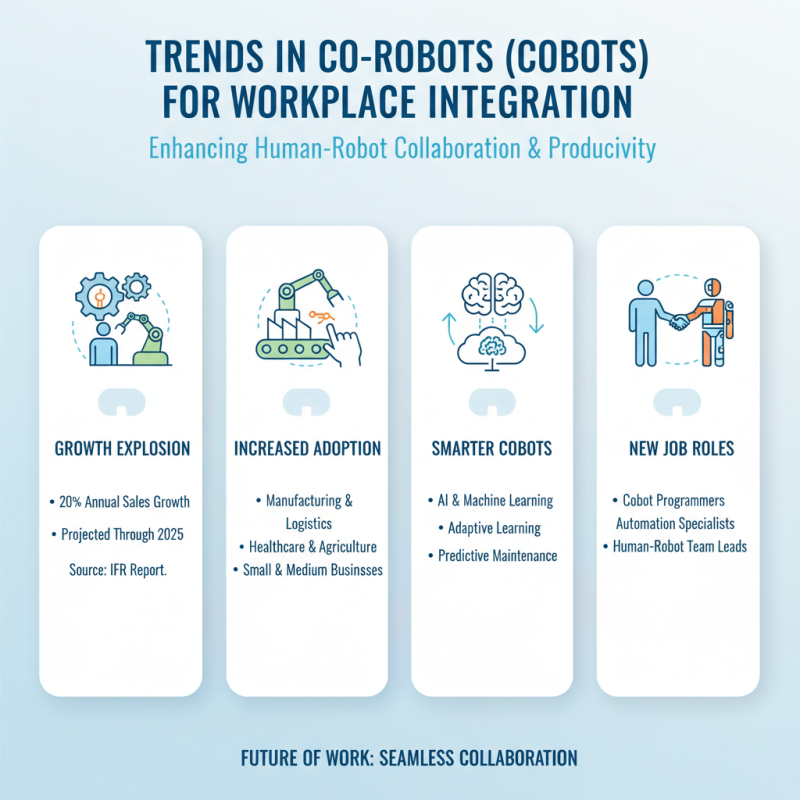
Collaborative robots, or cobots, are transforming the workforce landscape. These robots work alongside humans to enhance productivity and efficiency. According to a recent report by the International Federation of Robotics, cobot sales are projected to grow by over 20% annually through 2025. Many industries now recognize the need for such integration.
Cobots are designed for ease of use. They can be set up without extensive programming. This feature allows manufacturers to adopt them quickly. However, challenges remain. Some workers feel threatened by automation. Addressing these concerns is crucial. An effective transition requires open communication and training.
Tips: Prioritize training programs for staff to ease the integration process. Encourage collaboration between workers and cobots. Foster a culture of acceptance for technological advancements. Continuous assessment can help identify areas of improvement. As industries evolve, ensuring workforce integration with cobots will shape the future of automation.
Key Developments in Robotics for Healthcare and Medical Applications
The field of robotics is rapidly advancing, particularly in healthcare. Reports indicate that the global medical robotics market is expected to reach USD 16.74 billion by 2027. This growth reflects the increasing use of robotic systems in surgery, rehabilitation, and patient care.
Surgical robots have enhanced precision and reduced recovery times. Data from recent studies show that robotic-assisted surgeries can lower complication rates by up to 25%. However, challenges remain, such as high operational costs and the need for extensive training. The integration of AI is also paramount. AI can improve decision-making in robotic applications, yet ethical considerations must be addressed.
In rehabilitation, robots provide tailored therapies for patients recovering from strokes or surgery. Evidence suggests that robotic-assisted rehabilitation can improve patient outcomes significantly. Nonetheless, accessibility remains a concern. Not all facilities can afford these advanced systems, leading to disparities in patient care. Continuous innovation is critical, but so is ensuring that all patients benefit from these advancements.
Impact of IoT and Connectivity on Automation Systems and Robotics
The integration of the Internet of Things (IoT) into robotics and automation is reshaping industries. By connecting devices, systems gather data in real-time. This enables smarter decision-making processes, enhancing efficiency and productivity. For instance, factories can adjust operations based on immediate feedback from sensors. This connection fosters a dynamic environment but raises concerns over data security.
Connectivity elevates the capabilities of robots. They can now communicate with each other and with human operators seamlessly. This interaction can lead to increased collaboration. However, a reliance on connectivity may create vulnerabilities. If systems are hacked or experience downtime, it can lead to significant disruptions. Organizations must prioritize robust security measures to mitigate these risks.
Automation systems also benefit from machine learning and AI advancements. These technologies allow systems to learn from vast amounts of data. While this creates opportunities for improvement, it also requires ongoing oversight. Developers must remain vigilant, as biases in AI training can lead to flawed outcomes. Fostering an ethical approach is crucial as automation evolves. Balancing innovation with responsible practices is a continual challenge for industry leaders.

 High Quality
 High Performance
 Technology Support